Trending News
News
News
"Zombie" Cells Spark Inflammation in Severe Fatty Liver Disease
Mayo Clinic scientists discovered that senescent “zombie” cells trigger inflammation by leaking mitochondrial RNA, activating immune sensors that accelerate liver scarring and the progression of MASH.
News
Blood Analysis Shows Whether Glioblastoma Treatment Is Working
Researchers found that a blood analysis performed after opening the blood-brain barrier can track glioblastoma response to chemotherapy, enabling faster and more precise treatment decisions.
News
This Gene Makes Animals Stop Smelling Food After Reproduction
Nagoya University researchers discovered a gene that actively suppresses food-odor detection in roundworms after reproduction ends. The finding challenges the idea that aging is purely due to accumulated damage.
News
Cell Map Reveals New Insights Into the Developing Reproductive System
Mapping the human reproductive system offers new clues into conditions affecting reproductive organs and the environmental impacts of certain chemicals.
News
Scientists Can Now Watch RNA Work Inside Living Cells
UMass Amherst chemists have developed a three-color fluorescent method to visualize different mRNA molecules inside living mammalian cells. The approach reduces background noise and enables real-time tracking of RNA behavior.
News
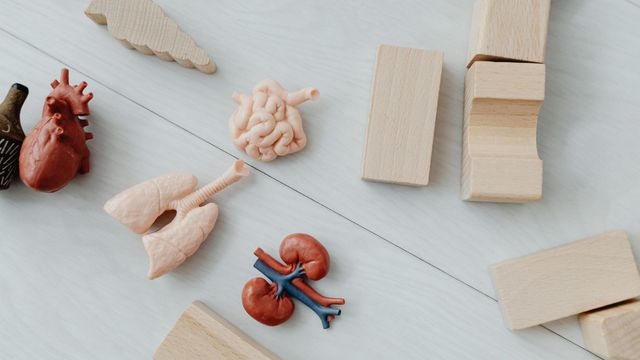
"Tubuloids" Effectively Model Chronic Kidney Disease
Researchers at Institute of Science Tokyo developed adult human kidney tubuloids that model chronic kidney disease progression.
News
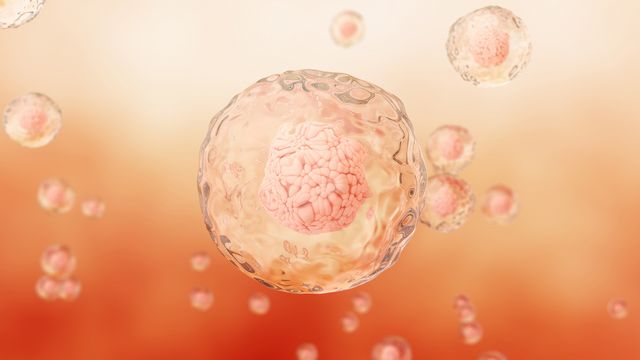
Scientists Find the Gene That Decides How Big Cells Grow
SickKids researchers discovered that a long non-coding RNA, CISTR-ACT, directly regulates cell size. Using gene-editing tools, they showed that increasing CISTR-ACT shrinks cells, while removing it makes cells larger.

News
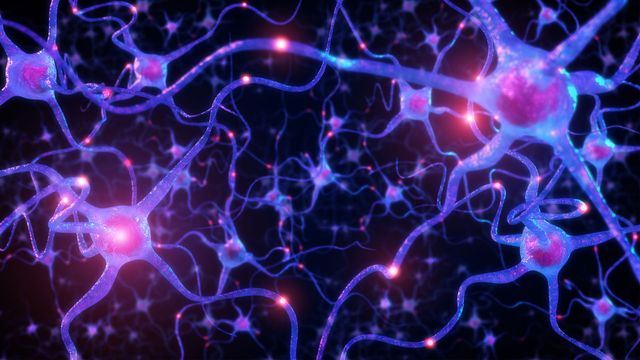
Stress Hormone Helps To Repair Brain Injury
Research shows how cells respond to brain injury by releasing corticotropin-releasing hormone, which helps to repair damage.

News
Dark Chocolate Compound Linked to Slower Biological Aging
Researchers found that higher blood levels of theobromine, a compound found in cocoa, were linked to slower biological aging. Using DNA-based aging markers in two European cohorts, the study showed the association was independent of caffeine.
Advertisement