Mitochondrial Protein Linked to Longer Healthy Lifespan
New research has linked the mitochondrial protein COX7RP to increased lifespan and healthspan.
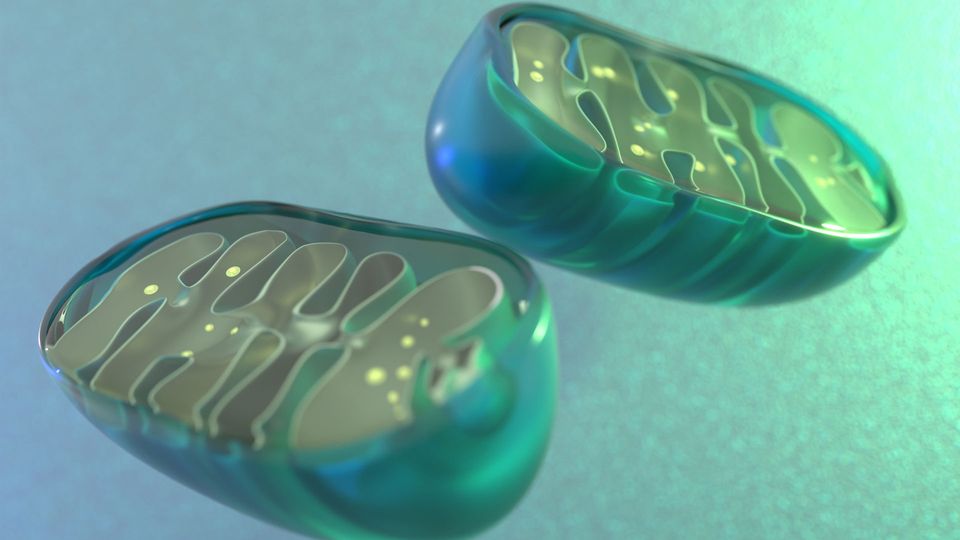
The mitochondrial protein COX7RP may increase healthspan in mice, a new study reports.
How mitochondria contribute to healthy aging
Healthspan is the number of years spent free from chronic disease or disability, whereas lifespan measures the total number of years lived. As lifespan increases across the globe, more research is focusing on how to maintain long-term health and extend healthspan.
Many age-related diseases are linked to the decline of mitochondrial function, making the powerhouse of the cell a prime target for understanding how to extend healthy longevity.
In the mitochondria, respiratory chain complexes create a proton gradient across the internal membrane, which drives oxidative phosphorylation and the generation of ATP. This process also produces reactive oxygen species and elicits oxidative stress. As we age, and mitochondrial pathways become less efficient, the increased production of reactive oxygen species and the decrease in ATP synthesis can induce cell damage and further contribute to cellular aging.
Mitochondrial biology explained
Respiratory chain complexes: The respiratory chain in the mitochondria is formed of four respiratory chain complexes, which are protein complexes that can accept and then donate electrons, resulting in a proton gradient across the inner membrane.
Oxidative phosphorylation: A cellular process that uses the reduction of oxygen to generate high-energy phosphate bonds during ATP formation.
Reactive oxygen species: Forms of molecular oxygen that are highly reactive, for example, hydroxyl radicals, hydrogen peroxide and singlet oxygen. If reactive oxygen species are produced faster than they can be scavenged by antioxidants, they cause oxidative stress.
“Supercomplexes” are groups of respiratory chain complexes that have formed dynamic higher-order assemblies, which are thought to boost respiratory efficiency, enhancing energy production and reducing oxidative stress from reactive oxygen species in cells.
The new research focused on the cytochrome c oxidase subunit 7a-related polypeptide (COX7RP), which promotes the formation of supercomplexes. It also regulates energy metabolism in muscle and brown adipose tissue.
Elevated COX7RP linked to longer lifespan
The research team developed transgenic mouse models that expressed higher levels of COX7RP throughout their lives, and compared their lifespan, healthspan and metabolism to wild-type mice.
The male mice with elevated COX7RP levels had a lifespan that was, on average, 6.6% longer than normal mice. There was no significant difference in lifespan between wild-type and COX7RP transgenic female mice.
The researchers carried out further analysis on the male mice, finding that increased COX7RP had improved glucose homeostasis through enhancing insulin sensitivity and also reduced blood triglycerides and cholesterol.
Increased COX7RP also improved mitochondrial performance at the cellular level, with tissues showing higher numbers of mitochondrial respiratory supercomplexes, increased ATP production and a decrease in reactive oxygen species.
In white adipose tissue in particular, COX7RP overexpression was associated with improvements in aging-related biomarkers, including higher coenzyme NAD+, lower levels of reactive oxygen species and β-galactosidase. Single-nucleus RNA sequencing also revealed a downregulation of senescence-associated secretory phenotype genes, which contribute to aging.
A new target for anti-aging drugs
These findings suggest that increasing mitochondrial energy efficiency through encouraging supercomplex formation could mitigate problems associated with aging and therefore provide a target for anti-aging therapeutics. However, further studies are needed to establish how to modify mitochondrial supercomplexes or the functions of COX7RP to help extend healthspan.
"Our study elucidated novel mitochondrial mechanisms underlying anti-aging and longevity, and provided new insights into strategies for promoting healthspan and extending lifespan," said Dr. Satoshi Inoue from the Tokyo Metropolitan Institute for Geriatrics and Gerontology, who led the research. "For instance, supplements and medications that enhance the assembly and function of mitochondrial respiratory supercomplexes may contribute to longevity expansion."
Reference: Ikeda K, Shiba S, Yokoyama M, et al. Mitochondrial respiratory supercomplex assembly factor COX7RP contributes to lifespan extension in mice. Aging Cell. 2025:e70294. doi: 10.1111/acel.70294
This article is a rework of a press release issued by the Tokyo Metropolitan Institute for Geriatrics and Gerontology. Material has been edited for length and content.