Sequencing for Survival: How Genomics Is Driving Climate Resilience
Genomic sequencing aids climate resilience by boosting crop health and conserving endangered Amazon fish.
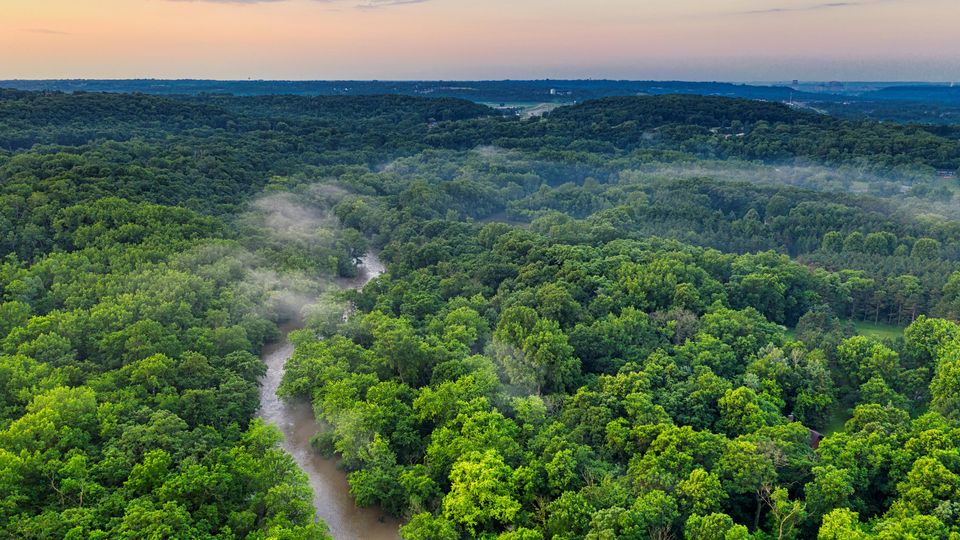
As the effects of climate and environmental change continue to shape our world, efforts to both limit its progression and manage its impacts are critical. The pace of change demands rapid innovation, and its reach across diverse systems calls for a versatile, adaptable tool that can address multiple challenges.
In the last decade, the rise and success of genomics has addressed a range of ecological questions, positioning genomic sequencing as an important tool for understanding ecosystem responses to climate change.1,2 To make this a reality, cutting-edge genomic sequencing platforms from MGI Tech offer faster, more cost-effective and precise analysis compared to traditional monitoring methods that rely on time-intensive field observations and laboratory cultures.
To explore their real-world application to climate-related challenges, MGI visited researchers in Portugal and Brazil, who are using the technology to study pressing environmental issues. In Portugal, microbial communities traveling on Sahara dust are landing on crops – influencing soil health, fermentation and productivity. In Brazil, the overfishing of a large freshwater fish species is threatening its existence, in addition to the livelihoods and sustenance of local communities.
This article highlights how genomic sequencing is helping this research, from analyzing microbial communities to determining fish paternity and developing hormone treatments to support conservation efforts.
Managing migrating microbiomes: How climate-driven dust storms affect Portuguese agriculture
The transport of Sahara dust is known to distribute minerals, nutrients, pollutants and microorganisms.3 As dust travels across Europe and beyond, the microbes it carries reshape the soil microbial communities wherever they settle. Climate change is intensifying these dust events by increasing the frequency and severity of storms.4 In addition to influencing crop productivity, this process may introduce novel pathogens to which crops have not developed effective defences. 3 As Professor Ricardo Dias, researcher at the University of Lisbon, explains in this video, “…the transport of intercontinental microorganisms from such long distances also created opportunities not only for the issue of risk assessment, but also for biotechnological potential.” He continues, “…there is a historical record of various diseases associated with plants or animals, with animal production, which historically are linked to these particles that come from North Africa. So, it was extremely important to monitor what was actually happening.”
Forty kilometres south of Lisbon, Portugal, vineyards are among the local industries periodically exposed to Saharan dust clouds. Farmers are applying insights from genomic sequencing data to understand the microbial communities carried by this dust.
Sequencing Sahara dust microbiomes to improve crop resilience
Genetic sequencing can be used to understand the transport and integration of microbial communities into novel environments. For example, it can help determine microbial species’ diversity and abundance in a region before and after sand and dust storms. These results provide insights into how changes in soil microbiomes may affect agricultural productivity, including crop quality and yield. 3,5 The composition of soil microorganisms can influence various aspects of plant growth, health and the properties of the crop. 6
“With climate change, the frequency of these events just gets higher, not only the intensity,” warns Dias. “Samples are collected through specialized equipment for the collection of bio-aerosols, which allows us to not only collect air, but the particles that are effluent in the air. From there we develop sets for analysis”. Since expanding their MGI technology range to include the DNBSEQ-G99, researchers at the University of Lisbon are providing answers to farmers in a fast, precise and flexible manner.
“We tested the G99 and were surprised by the sensitivity of the equipment, especially when performing the research in the area of risk identification”, said Professor Dias.The DNBSEQ-G99’s ability to complete PE150 sequencing in only 12 hours makes it a powerful tool for microbiology research, enabling farmers, scientists and investors to make timely, data-driven decisions that strengthen crop resilience against emerging microbial communities. The DNBSEQ-G99 surpasses alternative monitoring techniques like culture-based methods, which have lower taxonomic resolution, and microscopy methods such as fluorescence in situ hybridization (FISH), which can introduce bias. 7
While sequencing is not without limitations, many common hurdles linked to the technique – such as cost, turnaround times, data quality and computational burden – are addressed by MGI’s DNBSEQ-G99.7 Paired with the newly launched Microbiome Metabarcoding Sequencing Package (MMSP), it offers a versatile, end-to-end solution for microbiome research across human, environmental and agricultural applications.
By using MGI sequencing technology to gain a more holistic understanding of not only the soil nutrients of a region but also the soil microbiome and its influence on growing crops, farmers can gain a head start in the effort to improve the health and yield of their crops.
Using DNA sequencing to support pirarucu survival under climate change
“Preserving is an obligation we have to our descendants.” This statement by Professor Sidney Emanuel Batista dos Santos, from the Human and Medical Genetics Laboratory at the Institute of Biological Sciences at the Federal University of Pará (UFPA), rings true through all aspects of conversation. In this case, he was referring to the protection of the Amazon ecosystem, home to approximately 10% of Earth’s known species, including the world’s largest scaled freshwater fish – the pirarucu (Arapaima gigas).
Fishing is an important sector in Amazonian Brazil, with much of the attention focused on three commercially coveted fish – the tambaqui, the catfish (filhote) and the pirarucu. While captive breeding efforts have helped to protect the tambaqui, pirarucu populations are still declining. This is due to both overfishing and a complex reproductive pattern, which complicates captive breeding efforts.8
Climate change is affecting the Amazon River through warmer water temperatures and increased carbon dioxide concentrations, which together are reducing dissolved oxygen availability.9 In turn, healthy fish populations like pirarucu are crucial for maintaining balanced Amazonian aquatic ecosystems, which play a vital role in carbon storage and regional climate regulation. Hence, conservation programs are needed to ensure that wild pirarucu populations remain viable, both for ecosystem resilience and commercial value.
Scientists are employing two complementary approaches to protect the species, and the technology at the heart of both these initiatives is genetic sequencing. As explained in this video, the first involves expanding captive breeding programs using gonadotropin therapy, a well-established method for promoting reproduction. Gonadotropins trigger spawning in fish and can improve the quality of eggs, larvae and broodstock.10 The second approach addresses overfishing through DNA-based traceability. To reduce pressure on endangered wild stocks, genetic paternity tests are conducted on fish sold at the market to verify they originate from captive-bred rather than wild-caught populations.

Simplify Your Sequencing: A Guide to Accessible Genomic Discovery
This eBook highlights how benchtop sequencing simplifies workflows, lowers barriers and expands research opportunities.View eBook
The role of genomic technology in fish conservation
DNA sequencing is essential to identify and produce pirarucu's natural reproductive hormones in the lab. Scientists begin by extracting RNA from the pituitary glands of pirarucu. Using reverse-transcribed polymerase chain reaction (RT-PCR) techniques, they convert this RNA into complementary DNA. This DNA is then sequenced to identify the genes responsible for gonadotropin production. 11 These genes are used to transfect cell cultures, which act as biological factories that read the pirarucu DNA and produce hormones in large quantities. These hormones can then be administered to captive pirarucu to initiate spawning and boost reproduction rates.
The MGI DNBSEQ-T7 sequencer is crucial for this work. Featuring an innovative quadruple flow cell platform and achieving a daily data output of up to 6 TB, the DNBSEQ-T7 provides the high-throughput capacity and accuracy needed to decode complete gene sequences from pirarucu tissue samples rapidly and cost-effectively.
For paternity testing, DNA sequencing produces a “genetic barcode” that can be used to distinguish captive-bred fish from wild-caught individuals. A reference database is obtained by sequencing specific DNA regions, such as microsatellite markers, from both captive and various wild pirarucu populations. The DNA of fish sold at the market can be sequenced and compared to this database. Captive-bred fish will match unique DNA patterns, whereas wild-caught fish will possess DNA sequences more similar to the wild populations present in the database.12
The DNBSEQ-T7's ability to process hundreds of samples simultaneously at a low cost per sample makes large-scale population screening economically viable, which is essential for building comprehensive reference databases spanning multiple river systems and breeding facilities and for regular market surveillance testing. This molecular traceability, powered by high-throughput sequencing technology, helps to deter individuals from selling wild-caught pirarucu at the market, providing a powerful tool for both conservation enforcement and sustainable aquaculture management. It also helps to preserve wild pirarucu populations that local riverside communities rely on for sustenance.
“And the most important thing I think is that the model we're making for the pirarucu can be applied to other fish,” stated dos Santos.
“The results we obtained with the T7 were considered excellent. And what I can say is that, in the cost-benefit ratio, the cost of supplies is lower than that of other sequencers. But as for the device's capacity, it's as good or better than the others on the market,” he continues.The DNBSEQ-T7 holds an important title as the only sequencing device implemented across Amazonian institutions. By working directly with research groups in the Amazon, MGI leverages both their suite of sequencing technology and collaborative ethos to become a vital force in mitigating climate change effects across Amazonian Brazil.
Conclusion
Through the application of MGI technology to two unrelated aspects of climate change – sustainable agriculture and fish conservation – it becomes clear that genomics can serve as a versatile and powerful tool for addressing environmental challenges. From characterizing microbial communities transported by desert dust to determining fish paternity and population origin, MGI sequencing reveals critical biological responses to global change. Its adaptability makes it a sustainable platform for ecological innovation, while its speed, accuracy and affordability position it above traditional monitoring techniques. With this powerful technology at our fingertips, innovative solutions to promote sustainable agriculture and biodiversity conservation in the face of climate change are truly within our reach.