Trending News

News

News
“Bone Is Filled With Metabolites” – Even After Millions of Years
Researchers have extracted metabolism-related molecules from fossilized animal bones up to 3 million years old. The metabolites revealed information about diet, disease, sex and environmental conditions.
News
AI-Designed Molecule Boosts Chemotherapy Response in Pancreatic Cancer
Researchers at the Italian Institute of Technology developed an AI-designed aptamer that disrupts DNA repair in pancreatic cancer cells. The molecule, Apt1, increases tumor sensitivity to chemotherapy drugs such as olaparib, even at lower doses.
News
"Zombie" Cells Spark Inflammation in Severe Fatty Liver Disease
Mayo Clinic scientists discovered that senescent “zombie” cells trigger inflammation by leaking mitochondrial RNA, activating immune sensors that accelerate liver scarring and the progression of MASH.
News
Scientists Can Now Watch RNA Work Inside Living Cells
UMass Amherst chemists have developed a three-color fluorescent method to visualize different mRNA molecules inside living mammalian cells. The approach reduces background noise and enables real-time tracking of RNA behavior.

News
Multiple Myeloma Develops Differently in Men and Women
Researchers have uncovered differences in how multiple myeloma develops and progresses in men and in women, which could lead to earlier detection and sex-specific treatments.
News
Scientists Find the Gene That Decides How Big Cells Grow
SickKids researchers discovered that a long non-coding RNA, CISTR-ACT, directly regulates cell size. Using gene-editing tools, they showed that increasing CISTR-ACT shrinks cells, while removing it makes cells larger.


News
Stress Hormone Helps To Repair Brain Injury
Research shows how cells respond to brain injury by releasing corticotropin-releasing hormone, which helps to repair damage.
News
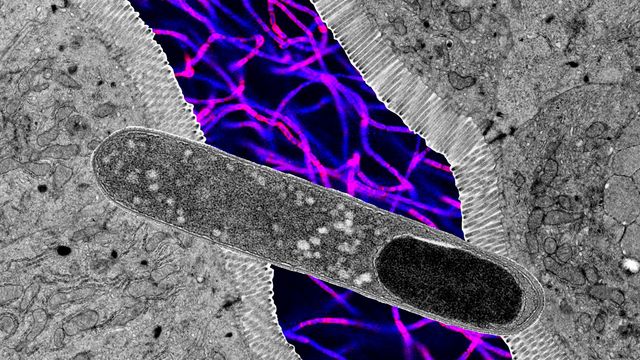
Single Gut Microbe Found To Limit Weight Gain
A study finds that a single gut bacterium can lower blood sugar, reduce fat accumulation and limit weight gain in mice. The microbe produces fatty molecules that counter harmful metabolic effects of high-fat diets.

News
Dark Chocolate Compound Linked to Slower Biological Aging
Researchers found that higher blood levels of theobromine, a compound found in cocoa, were linked to slower biological aging. Using DNA-based aging markers in two European cohorts, the study showed the association was independent of caffeine.
Advertisement