Trending News
News
News
Microscopy Captures Synapses in Action for the First Time
Using cryo-electron microscopy, researchers have detailed the synaptic vesicle fusion process, which is crucial for effective neurotransmitter release in the brain.

News
No Medication – Just Brain Stimulation – Improved ADHD Attention
Researchers identified abnormal background brain activity as a measurable marker of ADHD. In a randomized trial, non-invasive brain stimulation reduced this neural “noise” in children and improved attention.
News
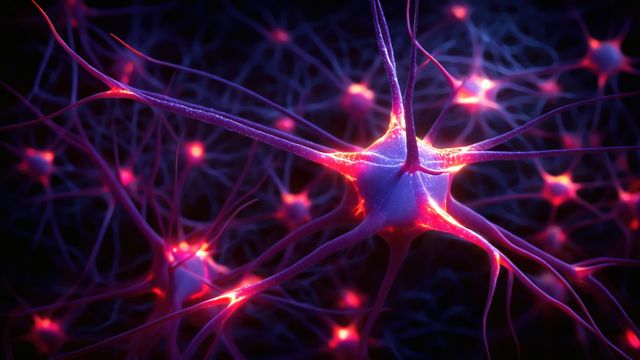
This Gene Makes Animals Stop Smelling Food After Reproduction
Nagoya University researchers discovered a gene that actively suppresses food-odor detection in roundworms after reproduction ends. The finding challenges the idea that aging is purely due to accumulated damage.
News
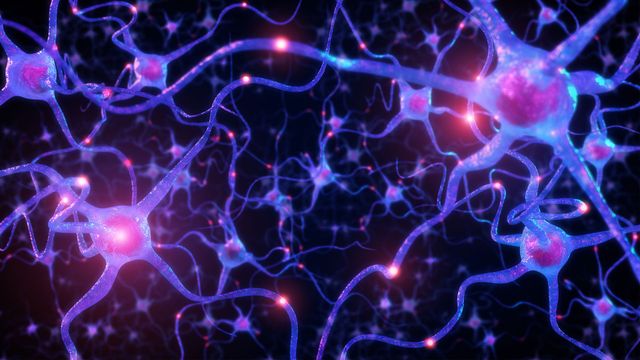
Stress Hormone Helps To Repair Brain Injury
Research shows how cells respond to brain injury by releasing corticotropin-releasing hormone, which helps to repair damage.
News
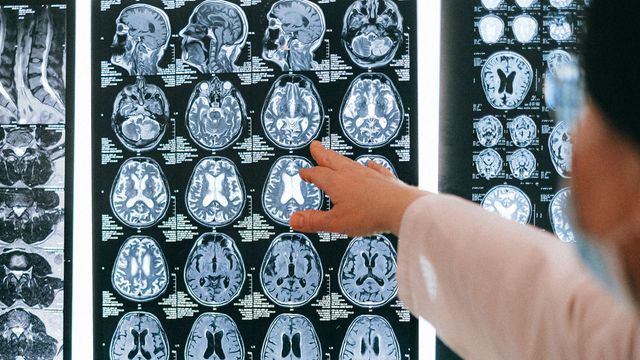
Over 40% of Functional MRI Signals Don't Correspond to Brain Activity
A new study fundamentally challenges how fMRI data are interpreted, finding no valid coupling between oxygen content measured by MRI and neuronal activity.

News
Epigenetic Biomarker Tracks Recovery After Pediatric Traumatic Brain Injury
University of Pittsburgh researchers identified changes in BDNF DNA methylation as a dynamic biomarker of complicated pediatric traumatic brain injury. Blood samples showed reduced methylation during early recovery that normalized by one year.
News
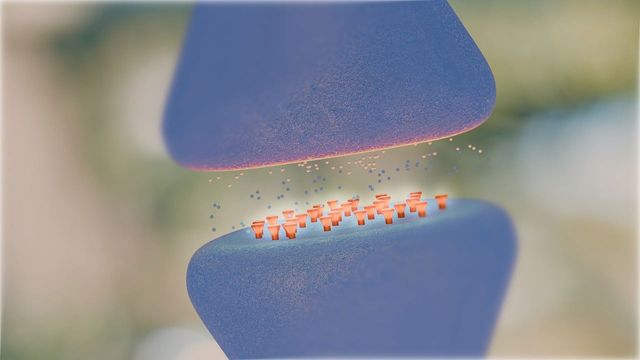
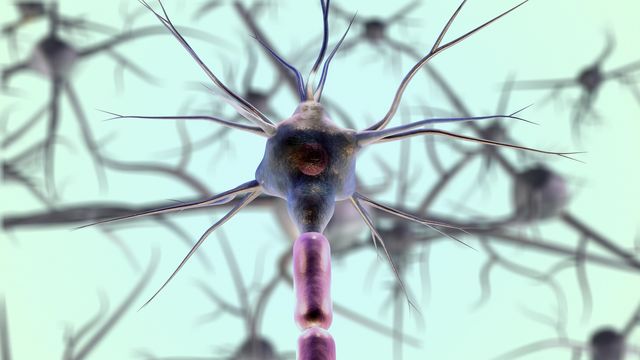
Neurons Stabilize Signaling With a Physical Mechanism, Not Electrical
New research shows that neurons can stabilize their signaling using a fast, physical mechanism — not the electrical activity scientists long assumed was required.
News
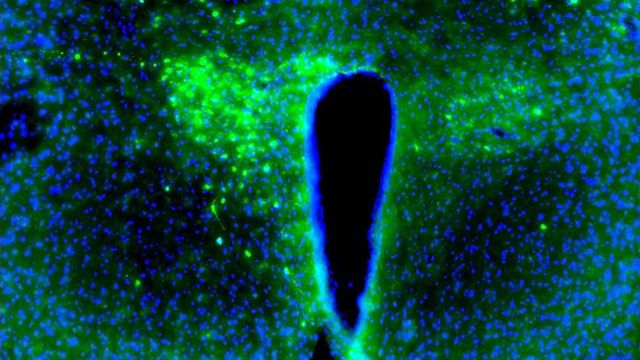
Gut Bacteria Mimicry Shown To Accelerate Multiple Sclerosis
A study reveals that pro-inflammatory gut bacteria mimicking the myelin sheath trigger immune attacks on nerves, worsening MS-like disease in mice.
News
Cancer Disrupts Day–Night Rhythms of Stress Hormone
Researchers have shown that in mice, cancer disrupts the diurnal rhythms of the primary stress hormone, altering the immune response to the tumor.

News
Sterilization and Contraception Extends Lifespan Across Mammals
A global analysis of zoo records and published studies reveals that blocking reproduction through contraception or sterilization extends lifespan by roughly 10–20% across 117 mammal species.
Advertisement