We've updated our Privacy Policy to make it clearer how we use your personal data. We use cookies to provide you with a better experience. You can read our Cookie Policy here.

Advertisement
A picture of Katie Brighton

Katie Brighton profile page

Science and Newsletter Writer

 at Technology Networks


Katie joined Technology Networks in January 2022 after completing a bachelor’s degree in biochemistry and a master’s by research degree in molecular and cellular biology, both at the University of Leeds. They loved the breadth of scientific content covered in their undergraduate studies and wanted to share their passion for research through science communication. As a scientific copywriter, Katie assembles newsletters, writes promotional webinar copy, supports the publication’s in-house writers and produces scientific content.


Education


University of Leeds  


Areas of Expertise


Got a Question for Katie Brighton?


Get in touch using the contact form linked here and we'll get back to you shortly.


Content Written By, Reviewed By, or Featuring Katie Brighton
Total: 74
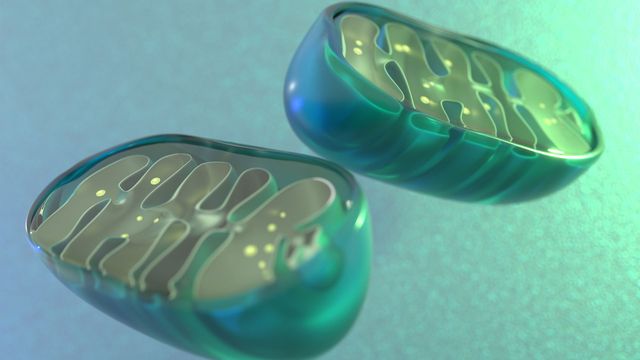
A mitochondrion, split in half to reveal the internal membranes and molecules within.
News

Mitochondrial Protein Linked to Longer Healthy Lifespan

New research has linked the mitochondrial protein COX7RP to increased lifespan and healthspan.
A coil of RNA spans the screen.
News

New Class of RNA That Keeps Cells in Order Identified
A new RNA type, smOOPs, has been found to drive biomolecular condensate formation in early development, offering new insight into cell function and disease mechanisms.
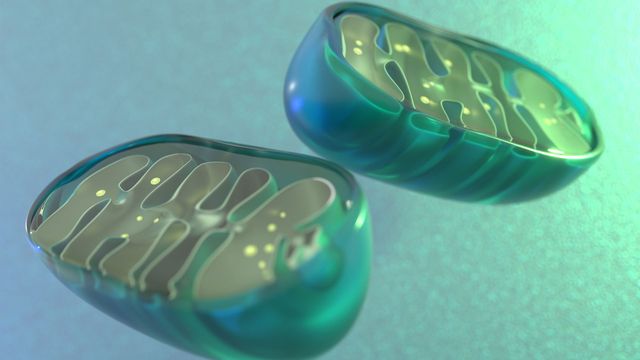
Two mitochondria, each bisected to reveal the internal structures.
News

Dysfunctional Mitochondria Initiate Parkinson’s Onset

New research indicates that mitochondrial dysfunction triggers a cascade of cellular changes that drive Parkinson’s disease.
A white 3D rendering of a brain, with rainbow strings behind it.
Article

How Neuroimmunology Is Redefining Brain Aging and Repair

This article explores how understanding the brain–immune ecosystem brings insights to the molecular mechanisms behind brain aging, facilitating research into immunotherapies for neurodegenerative diseases.
A researcher in a lab coat pipettes pink cell culture medium into petridishes
Article

How Patient-Derived Models Are Empowering Neurodegenerative Disease Drug Discovery

Discover how patient-derived stem cell models are transforming neurodegenerative disease research and drug discovery.
A heart monitor tracks a patients heartbeat after a heart attack.
News

Neutrophils Promote Arrhythmia After Heart Attacks

Neutrophils have been shown to puncture stressed heart cells after a heart attack via a resistin-like protein, leading to deadly arrhythmias.
A white tape measure coils across the screen, next to a pile of white pills, illustrating weight loss drugs.
News

Neuritin 1 Could Be a New Target for Obesity Therapy

Research in animal models and human cells has indicated that Neuritin 1 could be a new target for obesity drugs, making it possible to treat obesity without cutting calories.
The outline of person's head, with cogs to illustrate neurological differences in ADHD and the wording "Biomarkers in Focus"
Listicle

The Landscape of Potential Biomarkers for ADHD

ADHD diagnosis currently relies on behavioral tests and patient interviews – could biomarkers offer a more accurate and objective diagnostic approach?
3D illustration of immune cells attacking a cancer cell, representing the mechanism of cancer immunotherapy.
Article

The Immune System in Cancer: Its Roles and How We Can Harness It

This article explores the relationship between the immune system and cancer and outlines therapeutic strategies that leverage a patient’s immune system to treat cancer.
A graphic of a person surrounded by molecules, illustrating metabolomics and its emerging role in healthcare.
Article

The Applications and Future of Blood-Based Metabolomics

Metabolomics is expected to increasingly impact precision medicine and diagnostics.
Advertisement