Expert Perspectives on Spatial Transcriptomics
eBook
Published: December 8, 2025
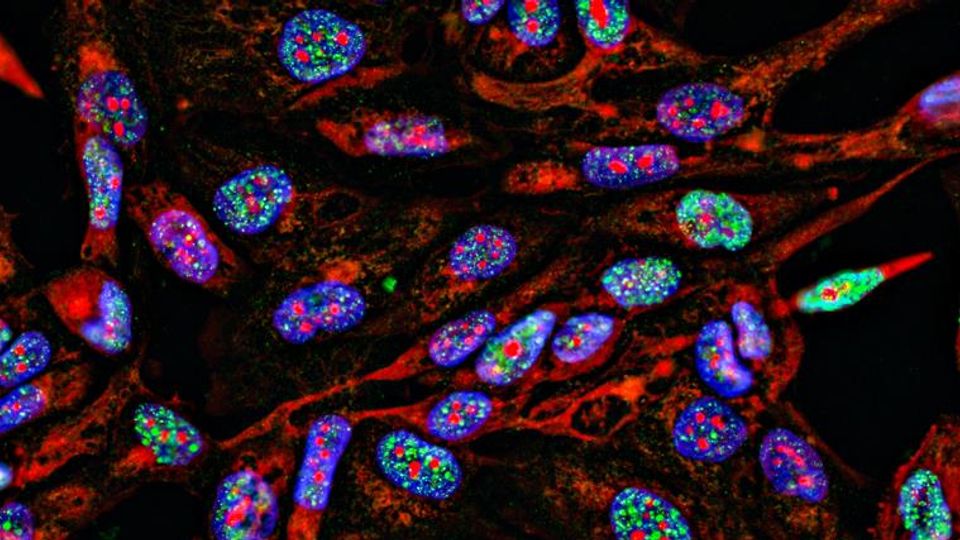
Credit: iStock
In multicellular organisms, each cell is influenced by the others in its surrounding environment, and the maintenance of cellular and tissue spatiality – or lack thereof – carries significant implications for everything from Alzheimer’s disease and cancer to autoimmune conditions.
Spatial biology provides unprecedented insights into this organization by shedding light on global cell-type organization, cell–cell interactions, disease biomarkers and more.
This eBook introduces you to six researchers who have adopted spatial transcriptomics in their fields of oncology, immunology and neuroscience. They share how taking a spatial approach has allowed them to make incredible breakthroughs.
Download this eBook to explore:
- Advice for researchers getting started with spatial transcriptomics
- Considerations for choosing a spatial platform
- How spatial omics is shaping the future of therapeutics
eBook
Perspectives
from Global Pioneers
in Spatial
10x Genomics Perspectives from Global Pioneers in Spatial 2
Charting biology:
The case for spatial transcriptomics
In multicellular organisms, no single cell exists in a
vacuum. Each cell is influenced by the others in its
surrounding environment, the signals that pass
between them determining their functions.
In fact, the maintenance of cellular and tissue
spatiality—or lack thereof—carries significant
implications for everything from Alzheimer’s disease
and cancer to autoimmune conditions and immune
responses to infection.
Spatial biology provides unprecedented insights into
this organization by shedding light on global cell-type
organization, cell–cell interactions, heterogeneous
spatial niches, novel gene programs, critical ligand–
receptor signaling networks, and biomarkers associated
with disease.
Examining biological molecules within appropriate
morphological context has been possible since the
1940s. While early publications for
immunohistochemistry1 and in situ hybridization2,3
proved spatial profiling was possible, they were limited
in the number of detectable targets and resolution.
Today, we can map hundreds of transcripts up to the
whole transcriptome4–7 while achieving single cell or
even subcellular resolution.
Spatial transcriptomic technologies can be divided into
two primary categories: imaging-based and sequencingbased.
Imaging-based techniques, such as Xenium
Spatial assays, label and image transcripts directly
within a tissue slice. Sequencing-based techniques,
such as Visium Spatial assays, release and capture
transcripts or ligation products corresponding to
transcripts from tissues and then analyze those
products using an external sequencer.
Which method is right for you, ultimately, depends on
your specific experimental questions and/or needs.
This eBook introduces you to six researchers at the
forefront of adopting spatial biology in their fields of
oncology, immunology, and neuroscience. They share
how taking a spatial approach has allowed them to make
incredible breakthroughs, discuss what they considered
when choosing a spatial platform, and give advice to
researchers starting to explore spatial transcriptomics.
“Architecture is what ultimately
distinguishes a living cell from a
soup of the chemicals of which it
is composed. How cells generate,
maintain, and reproduce their
spatial organization is central to
any understanding of the living
state.”
Whellan DJ and O’Connor CM. Function follows
form. JACC Heart Fail 9: 482–483 (2021). doi:
10.1016/j.jchf.2021.02.012
FPO
10x Genomics Perspectives from Global Pioneers in Spatial 3
Table of contents
Mapping immunity:
Dr. Reina-Campos discusses the power of spatial transcriptomics 04
From allergies to autoimmunity:
Dr. Poholek’s guide to cutting-edge spatial research 08
Spatial biology at scale:
Dr. Banovich on decoding disease with a new dimension of context 13
Defining tumor boundaries:
Dr. Ye’s spatial exploration of immune escape mechanisms 17
Shaping future therapeutic possibilities:
Dr. Freytag on the power of spatial insights in clinical research 20
Unveiling tumor secrets:
Dr. Watson’s spatial multiomics approach to glioblastoma research 26
10x Genomics Perspectives from Global Pioneers in Spatial 4
Miguel Reina-Campos, PhD
Assistant Professor
La Jolla Institute for Immunology
Mapping immunity:
Dr. Reina-Campos discusses the
power of spatial transcriptomics
Tell us about why spatial transcriptomics is so important for the research that
you do.
Absolutely. For decades, immunologists have been studying how the different pieces
of the immune system work. They’ve looked at these pieces using many different
technologies and applications. We understand a great deal about how these different
pieces work, their diversity, and how they function, but much less is known about the
specifics of where those species have to operate in tissues. It has always been a
Dr. Reina-Campos’ research
focuses on specialized
immune cells called tissueresident
T cells that live
deep within our organs,
such as the colon or the
liver, to provide fast and
robust protection against
future infections and
tumors. In particular, his lab
is interested in unlocking
the mechanisms that make
tissue-resident T cells
proficient at their jobs in
hopes of revealing new
approaches to revamp
the immune response
against cancer.
10x Genomics Perspectives from Global Pioneers in Spatial 5
mystery to really observe those immune cells within
their natural environments.
My lab is studying how to better leverage the immune
system that exists within tissues. Funnily enough, we
had never been able to observe those cells in the tissues
they are protecting. Prior to spatial transcriptomics, our
observations had always been very indirect. We either
had to make smoothies out of the tissues to separate the
cells to study them, but obviously losing their natural
environment, or we would do histological stains but at a
very low plex of maybe 3–5 markers. However, that in
itself is not enough to understand the very rich
ecosystem these cells live in.
We also study the differentiation of the immune system,
which means looking at what genes the immune cells
are expressing and when they are expressing them. We
have been using single cell technologies like scRNA-seq
to look at their RNAs, proteomics to look at their
proteins, and even metabolomics to look at the
metabolites. But, we had never been able to put the two
things together—where these cells are in a tissue and
what they are expressing. With spatial transcriptomics,
for the first time, we were able to observe our favorite
immune cells in unperturbed, natural environments at
a resolution that we had never been able to look at before
and at a plex that we had never even dreamed of before.
These spatial transcriptomics technologies, I know lots
of folks are very interested in them, but for us, they
came as a necessity. We needed this technology to get to
the answers that we were looking for.
Do you have some specific examples of how spatial
has impacted the line of research that you’re
looking at?
The cells that we study are mighty and powerful, but
they are not very abundant. We needed something that
would enable us to look at those small lymphocytes,
sometimes located next to bigger and much more
abundant tissue cells, and see what they express. Using
Xenium technology has enabled lots of cool research
coming out of our lab, and other labs, in defining the
The image depicts three overlapping layers of biological information in the mouse small intestine—protein (left), to cell types (middle), to individual transcripts (right)—offering a new
window into the secret life of tissue-resident memory T cells (purple, right).
Image credit: Reina-Campos lab.
10x Genomics Perspectives from Global Pioneers in Spatial 6
spatial patterning of how the immune system is
interconnected within a tissue architecture.
For example, we’ve looked at the small intestine and
found that these immune cells, which come in different
flavors—some are more effectors while some are more
progenitors—are actually localized in different parts of
the intestine. This spatial distinction of immune
subtypes is something that we had never been able to
look at before. Not only that, because we have spatial
context, we can now understand what signals are
driving that heterogeneity and better understand how
tissue–immune networks happen in the context of
infection and tumors.
You talked about needing to see cells that weren’t
very abundant. What other considerations did you
take into account when you were choosing what
type of spatial you were going to pursue?
At the beginning, when these new technologies came
along and there were different emerging players in the
field of spatial transcriptomics, we were technology
agnostic as long as we could get to the bottom of our
research. We just wanted to get good data and by that I
mean getting the maximum sensitivity and the
maximum surface area for the maximum amount of
transcripts that we could.
But then we realized that having robust technology is
pretty important and were disappointed with other
platforms. When we started using 10x Xenium,
something that we really liked was that it was very
robust. It was an almost end-to-end solution where you
could have your tissues, start in a prep, and then end up
looking at your data a couple of weeks later, already
getting some insights into your problem. Other
technologies did not have that end-to-end solution yet.
We appreciated having that already built in. Nowadays,
being reproducible and robust is a big deal for us.
Another consideration was that it works with formalinfixed
paraffin-embedded (FFPE) samples. I think that’s
what most people have access to, and it unlocks
thousands of samples coming from clinical practice.
Other technologies struggled with FFPE, and we
understood the chemistry that 10x was providing could
work very reliably with FFPE.
So, robustness and FFPE compatibility were the two
considerations that were defining for us in choosing 10x
over others. I ultimately think having multiple options
will be best for us researchers.
“With spatial transcriptomics,
for the first time, we were able
to observe our favorite immune
cells in unperturbed, natural
environments at a resolution that
we had never been able to look at
before and at a plex that we had
never even dreamed of before.”
Spilling the (immune) secrets of our guts
Our intestines play a crucial role in providing
protection from infections thanks in part to the
presence of tissue-resident memory CD8 T (TRM)
cells. To understand the two different types of TRM
cells present in the intestines and how their location
impacts the role they play, Reina-Campos et al.
harnessed the high resolution of Xenium single cell
spatial imaging and the whole transcriptome
profiling power of Visium sequencing-based spatial
transcriptomics. This powerful approach, alongside
a novel spatial CRISPR knockout experiment,
revealed how fundamentally connected a T cell’s
location is to dictating its functional state.
Read the publication to discover what cellular
secrets were revealed >
10x Genomics Perspectives from Global Pioneers in Spatial 7
A lot of people see the promise of spatial biology,
but may be hesitant to jump into a new technology.
What advice would you give for people who are just
starting out in spatial to help them be successful?
I think you kind of have to address the elephant in the
room, which is the price. People who get stuck on the
price without looking at the data often change their
minds once they see the data and all the information
that can be unlocked. My advice is to run one pilot
experiment to see the data, so you can really appreciate
what it can do for your project.
But still, price remains a challenge and a gatekeeper for
many. So moving forward, we should aim to encourage
companies to have a lower level of entry and
democratize this technology so more people can use it,
because it really is an amazing technology. It’s my hope
that very soon it will cost a tenth of the price so more
people can use it.
Are there any new directions or capabilities within
the field of spatial biology and spatial technologies
that you would be really excited to see pop up in
the future?
Absolutely. One of the considerations for choosing 10x
Xenium over other technologies is its non-destructive
approach to spatial transcriptomics. Meaning that when
you’re done with your experiment, you still have your
tissue mostly intact, which enables you to pair it with
multiomic readouts. Having 5,000 genes and up to a
couple dozen protein stains you can maybe look at after
your experiment, that’s one thing. Other omics
modalities like metabolomics would be very powerful.
I anticipate people will want to know all the genes, but
the downside is sensitivity challenges at higher plexy.
I’m hoping in the future we get that right balance of
higher sensitivity and higher plex.
Is there anything else you want to highlight, a
particular publication from your lab, or any other
thoughts you want to share on spatial?
Spatial transcriptomics requires a blend of expertise
that no single person can possibly have. I was super
lucky to be part of a team, first with a fantastic mentor
that enabled this research. I’ve had amazing colleagues
supporting different aspects of our projects, all of which
are required for the spatial transcriptomics to succeed.
From the bioinformatics to the sample preparation to
the histology to the in vivo animal experiments, you
really need a 2–4 person team to do any of these big
experiments. I want to acknowledge that it’s not a oneman
show. These are complex experiments that require
full teams.
Because of the work of our team, we were able to find
that the heterogeneity of the immune system is spatially
imprinted, at least in the gut, and we suspect in many
other tissues as well. Those findings were accepted for
publication three weeks ago and will soon be published
in Nature. We’re very excited that more and more people
are going to be using this. I can’t wait to see where it
leads us.
10x Genomics Perspectives from Global Pioneers in Spatial 8
From allergies to autoimmunity:
Dr. Poholek’s guide to cutting-edge
spatial research
What was your introduction to spatial transcriptomics, and why did you decide
that it would be necessary for your research?
First, I’m the director of the Health Sciences Sequencing Core at the University of
Pittsburgh, which provides Next Generation Sequencing services for the institution.
We are always looking at new technologies in the sequencing space that we think
might be in demand for researchers at the university and to make sure that we’re able
to offer cutting-edge approaches to answer their research questions.
Amanda Poholek, PhD
Assistant Professor, Department of Immunology
Director, Health Sciences Sequencing Core
University of Pittsburgh
Dr. Poholek is an assistant
professor at the University
of Pittsburgh. Her lab aims
to understand how immune
cells sense different signals
and tissue environments to
decide what kind of cells
they need to become. Of
particular interest is cell
response to signals that
should cause activation but,
due to failure to tolerate
non-harmful stimuli, lead
to autoimmune and allergic
diseases. Additionally,
Dr. Poholek serves as the
Director of the Health
Sciences Sequencing Core.
10x Genomics Perspectives from Global Pioneers in Spatial 9
In my own research, we had an unexpected finding that
the transcriptional repressor Blimp-1 was required for
the differentiation of T helper 2 (Th2) immune cells
specifically in the lung. These are the cells that can
drive the physiologic symptoms of allergic asthma, such
as mucus production, airway hyperresponsiveness, and
smooth muscle constriction. Prior to our work, although
we knew a lot of the factors critical for the development
of Th2 cells, we hadn’t appreciated that Blimp-1 was
required for that process. It was really a surprise
because other work in other systems where Th2 cells
develop, such as responses to worm antigens, had not
demonstrated that Blimp was important for promoting
an effective response but, rather, for constraining an
effective response.
Based on these disparate functions of Blimp-1 in
different contexts, we decided to directly test if the
route by which you experience the allergen actually
drives a difference in the genetic pathways that you
need to form these pathogenic Th2 cells driving allergic
asthma. And it turned out that there was a difference.
If you intranasally administer an allergen to an animal,
then you need Blimp-1 to become a Th2 cell. However, if
you administer the same allergen subcutaneously or
systemically, you can form Th2 cells without needing
Blimp-1 at all.
These data really suggested that there was a tissuespecific
pathway through the lung, driving an effector
T-cell response that we had not previously understood. I
H&E VisiumHD
H&E overlay 8μm bins
Visium data from mediastinal lymph node three days following house dust mite exposure. H&E stain (left) and graph-based clustering of FFPE Visium HD (right). Inset shows a HEV by
H&E (left), overlay with transcriptional clustering (middle) and 8-μm spatial bins (right) for analysis.
Image credit: Poholek lab.
10x Genomics Perspectives from Global Pioneers in Spatial 10
wanted to understand this at the initiation of the
response to better understand how a naïve T cell
interprets the information it receives during activation
in the context of the tissue that experiences the antigen.
Since the lymph node is the place where the T cells
typically see antigen for the first time, we wondered if,
by looking at the same exact response to the same exact
antigen in lymph nodes draining two different tissue
sites, we would reveal information about the pathways
and spatial niches needed for those immune cells to
become the effector cells that drive allergic asthma.
I proposed in a grant to use spatial transcriptomics as
an unbiased mechanism to examine these two different
lymph nodes, draining either the skin or the lung. When
you look at the initiation of the immune response to an
allergen, how do those two sites differ?
We are still working to answer this question but it’s what
got us interested in spatial transcriptomics as a
technology. While setting up these systems, we made an
observation in the lung-draining lymph node that was
so striking to us that we paused there and dived in. This
work was published in Nature Immunology recently,
where we identified spatial microniches of the cytokine
IL-2 that were important for the formation of Th2 cells
in allergic asthma through Blimp-1.
We used spatial transcriptomics to identify Th2 cells in
the lymph node, and then applied a new algorithm
developed by our very talented collaborator, Dr. Jishnu
Das, called SLIDE, which stands for Significant Latent
Factor Interaction Discovery and Exploration. SLIDE
can identify latent factors or hidden variables in highdimensional
datasets that underlie specific observable
features. Dr. Das was eager to use SLIDE on a spatial
dataset, and our localization of Th2 cells in the lymph
node provided an ideal opportunity. SLIDE identified
IL-2Ra in a significant latent factor that was supporting
differences in the localization of Th2 cells in the lymph
node. Then, we were able to validate that IL-2 was acting
as a local microniche in the lymph node to promote
initiation of Blimp-1 to drive Th2 cells using other
methods. I think our example of how we got into spatial
transcriptomics is very typical—you have a biological
question that requires spatial tissue context but also
highlights the need for new computational approaches
that can reveal biological insight.
There are different flavors of spatial transcriptomics
these days, imaging-based and then NGS-based
systems. Which type are you using for your work,
and what considerations did you take into account
when deciding for your specific project?
Currently, we’re using both. We started with NGS-based
because those were the ones that were commercially
available. Specifically, we used the 10x Genomics
Visium Spatial Gene Expression and Curio Biosciences
Seeker™ platforms, and that’s what we used in our recent
publication. We’re now working with both the Visium
and imaging-based Xenium platforms.
There are several important considerations when
thinking about these two different flavors. Now that we
have higher resolution with Visium HD, the sequencingbased
applications offer truly unbiased approaches at
the single cell level and the ability to stain the same
tissue section for imaging that you use for spatial
transcriptomics. I think there’s some real power there if
you aren’t 100% sure what you’re looking for, so it’s
really useful in a discovery setting.
Imaging-based platforms are also incredibly powerful at
the single cell level. And now that they have probe sets
that have gotten up to 5,000–6,000, you can do a lot of
discovery-based work there, too. However,
“I think our example of how we
got into spatial transcriptomics
is very typical—you have a
biological question that requires
spatial tissue context but also
highlights the need for new
computational approaches that
can reveal biological insight.”
10x Genomics Perspectives from Global Pioneers in Spatial 11
imaging-based platforms are more beneficial if you have
a really targeted set of genes you’re interested in. You
can do more high-throughput studies, get more tissue
into a run, and get a lot more information at a broader
scale. Whereas for sequencing-based platforms, you get
more information at the single cell level from the whole
transcriptome but are limited in the amount of tissue
that you can look at per run.
As a core director, what advice do you give to
people looking to get started in spatial but are
unsure where to begin?
The first piece of advice I’d give is the same for any
sequencing application: ask yourself what biological
question you’re trying to answer and then use the
platforms or technologies that are the most appropriate
to your question.
Having a sense of what you’re hoping to find is really
important when approaching any of these technologies.
The second piece of advice is to really know your tissue.
Our experience running a core and offering this as a
service has allowed us to run over 30 projects and easily
more than a dozen different tissues in mouse and
human. Every tissue is different, and there are critical
considerations when dealing with different tissue types.
I advise talking to someone with broad expertise across
multiple tissues if available at your institution. If not,
take the time to do pilot runs with your tissue to make
sure that it adheres the way you expect it to, that it
stains the way that you expect it to, and that you’re able
to get good quality sequencing data out of your tissue.
We always do QC to know the RNA quality of our tissues
before we proceed. If the quality of the RNA is not high,
the returns are quite diminishing.
It’s worth the effort to source and have very good quality
material. If it’s material that’s easy for you to get, like
from a mouse study, make every effort to collect that
tissue with spatial in mind. You’re better off generating
a new tissue block where you’ve thought clearly about
RNA integrity rather than digging through the –80°C
freezer to find something.
Thinking into the future, what new directions or
capabilities would you be particularly excited to see
emerge in the arena of spatial biology?
We get asked by many people how much protein
staining can be done. Of course, people can do
immunofluorescence, but it’s somewhat limiting. I
think some of the barcoded antibody protein panels that
could be offered commercially to go along with some of
these platforms would be very useful for many projects.
Along those same lines, I’m excited about adding
additional modalities where you can do not just gene
transcription but also protein and potentially mass
spectrometry to look at metabolites or adding in
epigenetics. Really, multimodal spatial is something
that I’m excited to see come out.
The other thing that we’ve done a little bit of, but, again,
would be heavily utilized if more commercially
available, would be spatial TCR and BCR sequencing for
those of us in the immune space.
“The first piece of advice I’d give
is the same for any sequencing
application: ask yourself what
biological question you’re trying
to answer and then use the
platforms or technologies that
are the most appropriate to
your question.”
10x Genomics Perspectives from Global Pioneers in Spatial 12
Is there anything else you’d like to
cover or highlight?
Yes. As I mentioned when describing our recent findings
in allergic asthma, it is important to highlight the need
for innovative computational methods for the spatial
space. We saw this a lot with single cell early on, where
there was a lot of effort working to properly analyze and
visualize single cell datasets.
We’re in that same area right now for spatial. I think
people are utilizing the single cell algorithms,
sometimes effectively, but sometimes less effectively,
for spatial.
What we absolutely need, and we’re seeing this from
some groups, are gold standard computational
approaches for spatial that will win out in terms of their
utility—approaches thinking about the data as spatial
data rather than just trying to co-opt single cell
algorithms into spatial algorithms. That’s an area for
tremendous development that will also allow us to gain
the most biological insight from these amazing new
technologies in spatial transcriptomics.
“What we absolutely need, and
we’re seeing this from some
groups, are gold standard
computational approaches for
spatial that will win out in terms
of their utility—approaches
thinking about the data as spatial
data rather than just trying to
co-opt single cell algorithms into
spatial algorithms. That’s an area
for tremendous development
that will also allow us to gain
the most biological insight from
these amazing new technologies
in spatial transcriptomics.”
Inhaled, mapped, understood:
Spatial microniches driving allergic asthma
Our immune systems respond to lots of antigens, sometimes in very different tissue environments. Compelled
to understand lung-specific responses to inhaled allergens—given that asthma is one of the most common and
most costly diseases—He et al. combined Visium Spatial Gene Expression data with immunofluorescence to
map the molecular pathways activated over time. This approach highlighted the unexpected but important role
interleukin 2–mediated spatial microniches within the lung draining lymph node play in allergic asthma.
Dive into these findings featured in Nature Immunology >
10x Genomics Perspectives from Global Pioneers in Spatial 13
Nicholas Banovich, PhD
Director of the Center for Spatial Multi-Omics
The Translational Genomics Research Institute
(TGen), part of City of Hope
Dr. Banovich’s research
group leverages advanced
genomic technologies,
such as single cell RNA
sequencing and spatial
transcriptomics, to
understand how genetic
and molecular variations
contribute to disease. This
work aims to identify new
biomarkers and therapeutic
targets to improve patient
outcomes across multiple
disease areas, including
chronic lung disease
and cancer.
Spatial biology at scale:
Dr. Banovich on decoding disease
with a new dimension of context
Can you describe your research and your lab at TGen?
My primary function is running a research lab. We are focused on understanding how
gene regulatory changes impact disease outcomes—whether that’s initiation,
treatment response, or disease progression.
One of our major projects is focused on pulmonary fibrosis (PF). We also focus on
correlative analyses from patients undergoing CAR T-cell therapies for brain tumors.
So we use very different biological systems, but they’re unified by the set of tools
and approaches.
10x Genomics Perspectives from Global Pioneers in Spatial 14
Behind the breath: Spatial insights into lung remodeling and PF
According to the Pulmonary Fibrosis Research Foundation, each year
approximately 50,000 new cases of PF will be diagnosed. Vannan et al. used
Xenium single cell spatial imaging to map the structural and cellular changes that
are a hallmark of idiopathic PF. This spatial gene expression of 1.6 million cells
from 35 unique lungs allowed the team to explore the progressive remodeling of
distinct spatial niches throughout the course of PF disease progression.
Check out this groundbreaking research that earned a cover feature in
Nature Genetics >
We’ve built a foundation on single cell transcriptomics
and using the single cell information to understand
molecular dysregulation and disease at cell-type
resolution. Over the past couple of years, we’ve started
to put more of a focus on spatial technologies, and we’ve
been using Xenium since February of 2023.
My other role at TGen is operating and directing the
Center for Spatial Multi-Omics (COSMO) technology
core. At the core, we offer both Xenium and Visium HD
assays as a service to internal TGen investigators and
external researchers as well.
Can you tell us more about how spatial has
impacted your research projects?
We think about the same types of questions that we
thought about with single cell approaches, but spatial
data has a lot of added benefits. It gives us
understanding not just of the cell type–level
dysregulation, but also the organization of cells into
architectural niches. We can start asking: what types of
cells are grouping together as disease progresses or in
response to treatment? Do we see more local or broader
changes in both the cell-type and molecular
composition of tissues?
Another really important benefit is not having to put
your tissue sample through a dissociation procedure.
For example, when dealing with the lung, there are a lot
of really fragile cell types, which has its challenges for
single cell experiments. In the alveoli—the little air sacs
that fill up with air and move oxygen out of the air into
your blood—there are two key cell types: alveolar type I
(AT1) epithelial cells and capillary cells.
The AT1 cells touch the air, and the capillary cells sit up
against the AT1 cells. They’re both very thin and really
integrated across the alveolus in three-dimensional
space. Because of that, we’re prone to lose those with
single cell approaches since they don’t survive the
dissociation process.
Some of these key cell types for understanding lung
biology tend to be underrepresented in our single cell
assays, but they perform quite well in the spatial data
because we don’t have to go through that tissue
dissociation step.
When you started exploring spatial technologies,
what did you take into consideration before
choosing the right one for your lab?
There were certainly spatial platforms out pre-Xenium,
but none of them offered single cell resolution. Because
of the complexity of the tissues we’re dealing with,
particularly the complexity of the lung, we need that
granularity to truly understand the biology. When we
could look at the spatial component and really have that
cell-type resolution, this is when spatial platforms
became exciting to me.
One of the things we really liked about Xenium, as we
were looking at the available offerings, was that a lot of
our tissues are formalin-fixed paraffin-embedded
(FFPE) tissue, and Xenium has the ability to capture
10x Genomics Perspectives from Global Pioneers in Spatial 15
transcripts even from fairly old, degraded FFPE
samples. These are samples that people collected, never
with the intention of using them for a molecular assay.
An anecdote that I like to share is that the oldest sample
we’ve profiled was about 15 years old. It had just sat on
my collaborator’s desk in a shoebox that he touched and
dug through with bare hands over the course of those
years—everything that just makes us, as RNA people,
die on the inside, you know? Except, we were still able to
get good data from it [with Xenium].
The high throughput of the Xenium system was also a
key factor because we were really excited about the
FFPE samples being amenable to tissue microarray
(TMA) approaches. That we could have almost 5 cm2 of
area per run started to help us envision how we might be
able to do these spatial projects at scale. What I mean is,
instead of just ten or fifteen samples, we could start
thinking about hundreds of samples that we
could process.
Switching to your core director role, how do you
explain spatial to new users?
There are two user groups that we deal with. One is
people already doing single cell who want to move to
spatial. For them, it is really about highlighting that we
still get that sort of single cell resolution, but with
spatial context.
The other user group we have are researchers who
haven’t really been involved with single cell approaches.
They may have done some sort of RNA in situ
hybridization in the past. Here we really talk about this
as a platform that allows you to take RNA in situ
hybridization and multiplex this across hundreds or
thousands of targets instead of just 1–4 targets. And,
actually, I think in some ways spatial data is more
intuitive for users who haven’t been doing genomics
than single cell data is. This is because you can provide
the files for the 10x Xenium Explorer, and people can go
on and look at it like you would an
immunohistochemistry experiment.
You can click on and off the genes that you care about,
and it’s very visually simple to understand that this blue
dot corresponds to the gene I care about.
Is there any advice you have for people who are just
getting started with spatial?
There are complexities on both the front end and the
back end that affect new users.
It certainly affected us as we started dealing with these
platforms. We didn’t have histology experience before
we started doing spatial transcriptomics. We were very
comfortable with traditional genomics workflows like
library prep and PCR. Tissue embedding, sectioning,
and staining were all things we had to learn.
So, if you’re coming from a genomics lab, there is a
learning curve to how you process tissues. It’s important
to either build those skills within your group, outsource
to a core, or work with a histology group that has
this experience.
On the other hand, there is a ton of complexity around
data analysis, and some of it is just a sheer numbers
problem. Our first two Xenium runs far surpassed the
number of cells we analyzed for the entirety of the
Human Cell Atlas work for the lung. We went from
“An anecdote that I like to share
is that the oldest sample we’ve
profiled was about 15 years old. It
had just sat on my collaborator’s
desk in a shoebox that he
touched and dug through with
bare hands over the course of
those years—everything that just
makes us, as RNA people, die on
the inside, you know? Except, we
were still able to get good data
from it [with Xenium].”
10x Genomics Perspectives from Global Pioneers in Spatial 16
thinking about datasets that have a 2–4 million cell cap
to a 60 million cell dataset. Ultimately, we had to move
the analyses over to GPUs to handle the processing.
The rest of the challenges, I think, are the fun
challenges like: how do we really utilize this relational
information? How do we link this to things we’re seeing
in the histology images?
How do you see spatial evolving, either in your
research or for the wider field in general?
This is a great platform, and I suspect this will become a
commodity over the next couple of years. As
development continues at 10x, we want to continue to be
able to provide services around the newest technologies.
We’re willing to go in and push on these technologies
and figure out what works well and doesn’t work well.
Then we want to share that knowledge with the
community, so that our early mistakes and triumphs
guide new users as they’re starting to set up.
As people get better and better at using Xenium, the
things we are doing now as front-edge users, like the
large-scale TMA analyses, will probably be easily done
by more researchers.
I envision, and hope, that we’ll be helping to spearhead
additional spatial applications on the horizon.
Is there anything that’s really cool or interesting
that you want to tell us about that you haven’t
gotten a chance to?
I think we’ve covered it! There’s all sorts of cool biology
we’re looking at, but every person’s cool biology is going
to be different, right? So the most exciting thing to me is
to have more people thinking about these studies with
bigger populations and really digging into their own
biological questions with this kind of new dimension
of information.
Tissue sample showcasing the diverse histopathology of the PF lung (H&E stain; leftmost panel), including an airway, multiple blood vessels, remodeled epithelium, and fibrosis. A
custom Xenium panel was used to profile 343 genes (second panel in). Individual nuclei and cells were viewed using DAPI and cellbound stains (third panel in). Individual features of
interest were extracted using FICTURE (bottom right; Si et al., 2024 Nature Methods). This is part of a set of 45 lung samples profiled in Vannan, Lyu et al. (2025) in Nature Genetics;
raw data available at Gene Expression Omnibus under accession GSE276945.
Image credit: Annika Vannan, Arianna Williams-Katek, Nicholas Banovich.
10x Genomics Perspectives from Global Pioneers in Spatial 17
Defining tumor boundaries:
Dr. Ye’s spatial exploration of
immune escape mechanisms
Tell us about your lab’s research focus.
Using single cell and spatial omics data as the foundation of our analyses, we
integrate innovative bioinformatics methods, basic experiments, and clinical research
to assess how the tumor microenvironment (TME) responds to immunotherapy. We’ve
developed novel computational methods for single cell spatial omics, such as
Cottrazm, to tackle challenges in spatial tumor analysis. This allows us to explore how
the TME drives the dynamic spatiotemporal evolution of tumor progression and
Youqiong Ye, PhD
Principal Investigator
Shanghai Institute of Immunology
Shanghai Jiao Tong University School of Medicine
Dr. Ye is a principal
investigator at the
Shanghai Institute of
Immunology. Her research
focuses on how the spatial
tumor microenvironment
influences immune escape
mechanisms in response to
immunotherapy. A primary
goal of Dr. Ye’s team is to
identify novel therapeutic
strategies targeting
the tumor boundary
microenvironment.
10x Genomics Perspectives from Global Pioneers in Spatial 18
influences therapeutic efficacy, with particular
attention to the role of tumor boundary components in
immune escape and immunotherapy effectiveness. This
comprehensive approach enables us to better
understand the interplay between the TME and
therapeutic outcomes.
Why did you pursue spatial transcriptomics for
your research?
Although single cell transcriptomics has revolutionized
biological and medical research, a major limitation of
scRNA-seq is its inability to capture spatial information.
Spatial transcriptomics (ST) technologies have
addressed this gap by enabling gene expression
quantification in intact tissues while preserving the
spatial localization of transcripts and the threedimensional
organization of molecular processes.
In our studies, we primarily focus on the spatial
distribution of cells, cellular interactions, and network
regulation within the tumor microenvironment and its
response to immunotherapy. Therefore, the spatial
positioning of transcripts is crucial, making ST an
indispensable part of our research.
How has spatial impacted your research?
We first used ST in our research in 2021 after we
discovered that SPP1+ macrophages and FAP+ fibroblasts
were significantly enriched in colorectal cancer (CRC)
tissues compared to adjacent normal tissues. At that
time, the reviewers for our publication asked us to
provide spatial evidence of the localization of these cell
types, prompting us to use the 10x Visium platform. We
found that both SPP1+ macrophages and FAP+ fibroblasts
were located at the tumor boundary, where they formed
an immune-excluded desmoplastic barrier—a dense
barrier made of fibrous connective tissue—restricting
T-cell infiltration and thus contributing to immune
evasion in colorectal cancer.
Since many of our studies use ST data, we have even
developed the computational tool Cottrazm for spatial
tumor analysis. The tool integrates ST data,
morphological information from hematoxylin and eosin
histological images, and single cell transcriptomics.
These data are then used to delineate tumor boundaries
and cell “spots” in tumor tissue, then leveraged to reveal
cell type–specific gene expression signatures.
More recently, we’ve also used tumor ST data to analyze
pan-cancer microenvironment features. This project
has focused on localizing functional enrichment of
differentially expressed genes to specific tumor
structures, teasing apart the TME’s cellular
composition, identifying cell type–specific gene
expression signatures, and characterizing cell–cell
interactions. From this, we have developed a userfriendly
database called SpatialTME that allows users to
search for, visualize, and download results.
Many of our ongoing studies continue to rely on ST,
which has provided crucial information and accelerated
our research progress.
Mapping a new path forward for
immunotherapeutic targeting of
colorectal cancers
What makes some tumors responsive to
immunotherapy but others not? Qi et al. were able
to correlate shorter progression-free survival in
CRC with the presence of two distinct cell types—
FAP+ fibroblasts and SPP1+ macrophages—inferring
these cell types could be working synergistically.
Visium sequencing-based analysis revealed that
these two cell types were colocalized in the TME,
and these areas were enriched for pathways
associated with extracellular matrix and collagen
fibril organization. This spatial insight was crucial
to revealing how FAP+ fibroblasts and SPP1+
macrophages may work together to promote an
immune-restrictive TME, earmarking them as
attractive targets for future therapeutic strategies
that can improve immunotherapy responsiveness.
Explore the findings that made this one of
Nature Communications’ top 25 health science
articles of 2022 >
10x Genomics Perspectives from Global Pioneers in Spatial 19
What considerations did you take into account when
choosing the type of spatial analysis you would use?
The choice of which spatial technology to use should
always be based on our specific biological needs so that
we select the most suitable ST method to address our
research questions.
For example, when we want to investigate how the TME
regulates treatment effects before and after therapy but
lack prior knowledge about which cells or genes are key
regulatory elements, we choose Visium HD, which can
capture the entire transcriptome. This contrasts with
using Xenium, which uses predefined gene panels.
However, as imaging-based ST technologies like Xenium
continue to expand their gene panel capabilities while
offering much larger detection areas than Visium HD,
they are becoming more attractive for specific
applications. For instance, imaging-based ST platforms
like Xenium are a great choice when working with
clinical research samples, such as tissue microarrays,
where we aim to analyze dozens of samples within a
single detection area simultaneously. They not only
reduce batch effects but also lower costs, making them
ideal for large-scale studies.
Do you have any advice or learnings to share with
people interested in getting started with spatial?
For a researcher who is new to spatial omics, the most
important step, as I mentioned in my previous response,
is to clearly define your scientific question.
Understanding the characteristics of each technical
“For instance, imaging-based
ST platforms like Xenium are a
great choice when working with
clinical research samples, such
as tissue microarrays, where we
aim to analyze dozens of samples
within a single detection area
simultaneously. They not only
reduce batch effects but also
lower costs, making them ideal
for large-scale studies.”
Visium HD spatial profiling identifies the cellular composition in KRAS-mutant colorectal cancer samples treated with total neoadjuvant therapy in combination with bevacizuma.
Image credit: Ye lab.
10x Genomics Perspectives from Global Pioneers in Spatial 20
platform is crucial, as the appropriate choices should be
based on which one helps you achieve your specific
research goals. Additionally, it is essential to adjust the
experimental design based on the type of data that the
available platforms can provide.
It is also essential to familiarize yourself with the
unique features of your omics technologies. For
instance, if an experiment requires spatial
transcriptomics and spatial metabolomics or spatial
proteomics from neighboring tissue layers, the approach
(e.g., what sample type to use) may need to be adjusted
accordingly. For a study involving spatial
transcriptomics and spatial metabolomics, it is crucial
to use freshly embedded samples. In this case, using
fresh samples with the Visium HD [WT Panel] assay
would be the optimal choice. However, if the study
involves ST and antibody-based spatial proteomics,
using formalin-fixed paraffin-embedded samples with
the Visium HD [WT Panel] assay would be a better
option. Platform flexibility allows researchers to tailor
their approach to the specific requirements of their
research, ensuring the best possible outcomes.
Are there any new directions or capabilities
you are particularly excited to see emerge in
spatial biology?
I would be particularly excited if future technologies
enable the integration of spatial multiomics—including
spatial epigenomics, transcriptomics, proteomics, and
immunomics—on the same slide or neighboring slides. I
think the successful commercialization of such
multiomic technologies would make them accessible to
more laboratories, greatly expanding their use
in research.
Additionally, I look forward to the broader application of
3D spatial omics, as this would provide even more
comprehensive insights into the complex interactions
within tissues and their spatial organization and
advance our understanding of biology at
unprecedented resolutions.
10x Genomics Perspectives from Global Pioneers in Spatial 21
Shaping future therapeutic
possibilities:
Dr. Freytag on the power of spatial
insights in clinical research
What is your lab’s research focus?
I co-lead a lab with a unique arrangement. There are three of us in the lab: I’m a
computational biologist, Dr. Sarah Best is a cancer biologist by training, and Dr. Jim
Whittle is a neuro-oncologist. That probably hints at what we do, which is thinking
very deeply about brain cancer. In particular, we focus on the development of new
Saskia Freytag, PhD
Laboratory Head, Brain Cancer Research Lab
The Walter and Eliza Hall Institute of
Medical Research
Dr. Freytag is the head of
the Brain Cancer Research
Lab at The Walter and Eliza
Hall Institute of Medical
Research. Alongside
research oncologist Dr.
Sarah Best and clinician Dr.
Jim Whittle, she investigates
molecular features of
brain cancer that can
inform the development of
future therapies.
10x Genomics Perspectives from Global Pioneers in Spatial 22
personalized therapies that can fundamentally shift
outcomes for individuals with brain cancer.
We do this by harnessing Sarah’s and my expertise
investigating molecular and cellular features. When we
say molecular, we’re extremely interested in the
metabolism that defines these tumors, with the goal of
translating what we find there into meaningful
clinical advances.
The work we do is firmly grounded in a patient-centered
approach. In practice, this means that we have many
programs that go from bench to bedside. We’re trying to
develop more accurate diagnostics and also discover
new therapeutic strategies for these really aggressive
tumors. We then try to push that into our globally
unique clinical trials platform that is led by
Dr. Whittle and established with help from the
Victorian Government.
We have pioneered an approach where we’re sampling
pre- and post-treatment biopsies. Subjects in these trials
undergo a biopsy, receive treatment for a certain
duration, and then come back and get a full tumor
resection. These precious biopsy samples that we’re
collecting for research—these matched samples—really
allow us to investigate, with an unprecedented detail,
how therapies work on a molecular level. We can also get
insights into how they don’t work.
That then feeds back into our basic science pipeline
where we’re designing and developing new therapies.
So it is this iterative loop that we’re trying to do, which
hopefully means that we’re finding ways to make care
for brain cancer patients much more effective in
the future.
What types of insights into therapeutic mechanisms
have you observed?
We’ve only been up and running for around three and a
half years as a lab. We haven’t had any compounds or
therapies that we’ve developed actually go into clinical
trials. However, we have done clinical trials. So we’ve
been able to work in parts of the [drug development]
pipeline, but have not yet taken a compound all the way.
Immunofluorescence staining post-acquisition of Xenium spatial transcriptomics, revealing cell morphology (green = GFAP protein expression). Sample represents a resected tumor
from an individual with a low-grade glioma.
Image credit: Brain Cancer Research Lab, The Walter and Eliza Hall Institute of Medical Research.
10x Genomics Perspectives from Global Pioneers in Spatial 23
Recently, we’ve been fortunate to finish the first clinical
trial that went through this perioperative platform
design. It was for an IDH [isocitrate dehydrogenase]
mutant inhibitor. Mutations in the IDH enzyme have
been linked to many gliomas and alter DNA
hydroxymethylation, gene expression patterns, cell
differentiation, and the tumor microenvironment. It
was really fascinating to use these matched tumor
samples to learn how this inhibitor used to treat
gliomas works.
I think our research could really help shed some light on
this. We also believe it will help us understand the
mechanisms of some off-target effects that we’ve
observed, which seem to be beneficial for some
individuals in terms of relieving seizures that are
associated with gliomas.
Why did you pursue spatial transcriptomics for
your research?
When we started, we were really aware that
metabolomics and metabolite activity in brain cancers
is something that has been understudied and could
potentially be utilized in [the future] to treat patients.
So we’re really interested in establishing that platform
in combination with spatial transcriptomics because I
think that those things need to go hand in hand.
Additionally, while there are great spatial proteomics
platforms out there, they are limited in terms of the
markers that you can look at. Because we were
interested in the composition of our samples and with
brain cancer being extremely heterogeneous, with cell
populations that are pretty similar to each other, it was
obvious to us that a proteomics-limited panel wouldn’t
let us see that diversity. Having access to a spatial
transcriptomics method, like Xenium panels that look at
500 genes, allows us to be able to delineate all these
populations properly.
These spatial technologies are essential for our
understanding of brain cancer because these tumors are
so highly heterogeneous and they infiltrate into the
normal brain, which is a tissue that is already
poorly understood.
The traditional bulk or single cell approaches obviously
lose critical spatial context that is an essential
component in shaping tumor behavior and this
treatment response that we’re investigating in our
clinical trials. By preserving this, what we have been
finding in our clinical research samples, using the
Xenium platform, is that we can now begin to
understand how tumor cells interact with the
microenvironment and how they respond differently to
therapy depending on what microenvironment they
are in.
Additionally, I think what’s really powerful about this
platform is that we can actually overcome some of the
drawbacks in these types of clinical trials, where sample
variability is something that we’re always concerned
with. Whether we sample at the tumor edge or more in
the center of the tumor is something we can’t control in
a very complex clinical trial design, where subjects
undergo a very aggressive sort of surgery. We don’t
always know what the surgeon will be able to get. But
the spatial context of what tissue samples we do get,
actually allows us to interpret similar regions, pre- and
post-treatment, and see what has changed in them
without being confounded by the cellular composition.
Dissecting how gliomas respond to IDH inhibition
Although IDH mutations are known to be a key
driver of many low-grade gliomas, treatment with
targeted IDH inhibitors is relatively new. Using
tumor biopsies from the first ever single-arm
perioperative trial (NCT05577416) for IDH inhibition,
Drummond et al. leveraged Xenium imaging-based
analysis to map the TME of matched pre- and
post-treatment tumors. This spatial analysis was
critical in understanding how treatment changes
the TME to alter synaptic signaling, suggesting a
potential mechanism by which IDH inhibition
reduces seizures.
Check out this trailblazing clinical research in
Nature Medicine >
10x Genomics Perspectives from Global Pioneers in Spatial 24
In one of your recent papers, you compared
several commercially available spatial options and
concluded that the Xenium platform was more
compatible, more useful. Can you share a bit more
about that?
We did a lot of comparisons when we first started trying
to narrow down the spatial platform we wanted to use.
We knew we wanted to be a lab that uses this really
heavily, and key considerations for us were what sort of
resolution we could get, the gene panel flexibility, the
reproducibility of the platform across samples, and, of
course, the compatibility with our clinical
trial workflow.
In the end, we were simply most impressed with the
reliability and the data quality we got from Xenium.
We’ve now processed over 50 samples in the lab and
have had minimal technical failures. I think we’ve had
one in all of this time, and that’s probably because the
sample quality wasn’t great, so nothing to do with the
instrument. The instrument is super reliable. That’s
really important when you’re doing a clinical trial and
the research sample that you have is really precious. We
don’t want to put these samples on an instrument that
isn’t reliable and doesn’t give us great data that we want
to analyze in the end. These individuals participating in
the clinical trial have agreed to undergo two brain
surgeries to allow for tissue samples for this research to
be collected. We want to be sure that those samples go to
maximal effect.
Do you have any advice or any top learnings for
people that are interested in getting started with
spatial transcriptomics?
It can be pretty overwhelming to start, and what I would
have liked to know is that you make use of every slide in
a maximal way by putting multiple tissues on it. I think
we’ve now stretched this to using even the tiniest speck
of empty space by putting some of our neurosphere or
organoid models on there. When you have free space, it’s
wasted space, so you might as well utilize the entire
imageable area.
In terms of what genes to look at, I really love custom
panels. I’m a big fan of them because they keep costs
down while focusing on the biology that you’re
interested in. However, it can be overwhelming to start
designing one. But I think once you get your feet wet,
you’ll be amazed by how much you find.
Finally, I have been a big proponent that cell
segmentation isn’t as important as people may believe.
Especially if your primary interest is in the tissue
composition and cell identities. In this case, I think you
can get away with just using the nuclei or the broader
watershed segmentation that 10x Genomics pioneered
at the start. I say this because cell segmentation is hard,
and you’re going to spend a lot of time doing this when
simplicity might get you exactly the same information.
In fact, we’ve got a publication on bioRxiv at the
moment, where we compared different types of cell
segmentation. We looked at nuclei segmentation and an
actual cell segmentation using a post-staining approach
that we did in the lab. This was prior to Xenium making
multimodal cell segmentation available.
What we found was that the nuclei segmentation and
the other approaches were essentially very similar when
calling the composition of the sample. The manual cell
segmentation staining approach we had developed,
however, was taking us hundreds of hours to compute
and also quite a significant amount of labor to get done.
So, the question is then: is it worth it? There are
applications where that absolutely is necessary, but I
think people need to really carefully think about if their
application is one where it’s truly needed.
“The instrument is super reliable.
That’s really important when
you’re doing a clinical trial and
the research sample that you
have is really precious.”
10x Genomics Perspectives from Global Pioneers in Spatial 25
What kind of new directions or capabilities
are you particularly excited to see emerge in
spatial biology?
I’m really fascinated with the epigenetic features that
we can now look at spatially. I would love for there to be
a good platform that allowed spatial analysis of DNA
methylation and did it cheaply. I don’t think we’re quite
there yet, but, for brain cancer, the epigenome is crucial
in defining these tumors. It also probably plays a big
role in their plasticity and how they respond to
treatment. We also think these processes are driven by
the niches these cells live in. Being able to observe that
would be really cool. There are so many open questions
in brain cancer surrounding the epigenetic markers that
have been found to show prognostic value and whether
there are areas in the brain tumor where they are really
abundant or absent.
What do you think your future research direction
will be?
We have several trials starting this year focused on
super aggressive brain cancer, which almost always kills
you within one year. In those studies, we’ll be using
immunotherapies that are, for the first time, available to
patients in Australia. It’ll be really interesting to
investigate how the immune system reacts in the tumor
itself following these treatments, which is something we
haven’t been able to research before.
“It can be pretty overwhelming to
start, and what I would have liked
to know is that you make use of
every slide in a maximal way by
putting multiple tissues on it.”
10x Genomics Perspectives from Global Pioneers in Spatial 26
Spencer Watson, PhD
Senior Research Fellow, Biomedical Data
Science Center
University of Lausanne, Switzerland
Dr. Watson is a Senior
Research Fellow at the
University of Lausanne’s
Biomedical Data Science
Center. As a postdoctoral
researcher in the laboratory
of Dr. Johanna Joyce, he
investigated the cellular
mechanisms responsible
for glioblastoma recurrence
in the hopes of finding
better treatments.
Unveiling tumor secrets:
Dr. Watson’s spatial multiomics
approach to glioblastoma research
What made you decide to use spatial transcriptomics for your research?
For me, it was primarily a question-driven choice. I had very specific questions about
the post-treatment tumor microenvironment niche and I wasn’t getting answers from
disaggregated single cell omics analyses. It was critical that we saw what was
happening and where it was happening.
10x Genomics Perspectives from Global Pioneers in Spatial 27
How would you say spatial has impacted
your research?
It was very transformative for my project. Especially
going from looking at disaggregated data and having all
these questions about, “Is this actually happening in
regions of fibrosis? Is it happening anywhere near the
tumor cells?”
Being able to look at an image, combine protein
expression and gene expression, and everything all in
one to say, “Yes, we know what is happening, and we
know exactly where it’s happening.” That has allowed us
to uncover some unique biology in our latest analysis of
the brain tumor microenvironment.
Tell us a little bit more about your latest
research findings.
Our recent Cancer Cell article, “Fibrotic response to
anti-CSF-1R therapy potentiates glioblastoma
recurrence,” follows up on previous findings where we
were using anti-CSF-1R inhibitors to re-educate
macrophages in glioblastoma from a pro-tumor
phenotype back into an anti-tumor phenotype. It was
really successful in massively shrinking these huge
tumors in the mouse model. However, we kept seeing
rebound tumor recurrence.
The super interesting thing we found is that, every time
there was a recurrence, it was always associated with a
fibrotic glial scar. In cancer research, you don’t get a lot
of 100% phenomena, so whenever you see that you
definitely need to follow up.
Our idea was that maybe these fibrotic scars are
causing—or at least potentiating—recurrence, but this
is a very complicated environment. It’s very dense.
There are a lot of cellular players involved. We needed a
lot of different omic modalities. We had single cell RNAseq,
spatial proteomics, mass spectrometry proteomics,
and spatial transcriptomics.
The particularly useful thing for us was integrating all
these together to create a multimodal spatial dataset
that allowed us to identify that the cellular mitigator of
this fibrotic niche was encapsulating tumor cells.
Essentially, it was protecting them and driving them to
a state of dormancy where they’re safe from other
treatments and was protecting them from immune
surveillance. With the spatial omic dataset, we were able
to identify what the precise cell type was that was
causing this and what signals were activating it. That
allows us to build a drug treatment strategy to block the
cellular response.
And our hypothesis was correct. Eliminating fibrosis
massively improved the efficacy of the immunotherapy.
That’s something that we are very much looking forward
to moving forward with in other clinical directions. The
future of this project and what we’re doing now is
translating this into the patient setting. We found
evidence for it in the patient setting in the paper, and
now we want to go all-in on patient samples and
massively increase the scale because what we’ve seen
already is there’s so much heterogeneity there. By going
high throughput and high content with that same
spatial multiomic depth, we [hope to] be able to identify
other combination treatments that can counter the
negative side effects of many of the treatments we use in
the clinic.
What considerations did you take into account
when choosing which type of spatial technology you
would like to use?
The most significant consideration, for me, is that it had
to be single cell and, ideally, it had to be nondestructive
and image-based so that it could combine with some of
our other modalities.
“I had very specific questions
about the post-treatment tumor
microenvironment niche and
I wasn’t getting answers from
disaggregated single cell omics
analyses. It was critical that we
saw what was happening and
where it was happening.”
10x Genomics Perspectives from Global Pioneers in Spatial 28
Second was how robust the data was. We saw a lot of
other approaches that could analyze more genes, but
then there were too many questions about the quality of
the data you were getting. I think having something that
gives fewer genes, but gives you absolute faith and
confidence in the data you are getting, is essential.
What advice or top learnings would you share with
people interested in getting started with spatial? Is
there anything you would have liked to know before
you started spatial yourself?
First, I want to emphasize how important it is to have
single cell data to complement the spatial
transcriptomic data. Having that combination and
synergy gave us the ability to achieve more
transcriptional depth and project spatial signatures
onto the disaggregated data. That opened up a lot of
doors for us.
Next, I would say to never do it as part of a revision,
mainly because of the amount of interesting questions
that you can answer once you have it. Spatial is
something to do at the start of a project rather than at
the end; otherwise, you’ll add several years to your
analysis chasing down all the interesting leads.
Also, make sure that you actually have a question that is
applicable to spatial. I think a lot of people feel that they
have to do it for grant purposes or something similar.
But, if they don’t have a defined question that spatial
resolution will answer, they can spend a lot of
unnecessary analysis time trying to make use of
the data.
Are there any new directions or capabilities you’re
particularly excited to see emerge in spatial
biology?
There is a lot of focus on spatial proteomics. It was the
method of the year; previously, it was spatial
transcriptomics. But I feel like it’s all going to be about
multiomics, about how many data types can you
integrate, so that we can ask these computational
systems biology–level questions of emergent features
that you would never get from even one of these
powerful approaches.
I think increasingly you’re going to see protein with
transcriptomics and metabolomics. Spatial ATAC-seq
will probably come along as well. The idea of just doing
one of these may seem like an anachronism in
five years.
Reimaging our understanding of glioblastoma dynamics
More than 90% of patients with glioblastoma, the most common and aggressive
brain cancer, have their tumors recur even after treatment. Watson et al. integrated
Xenium single cell spatial imaging insights with proteomics and traditional single
cell RNA-sequencing to define the association between fibrotic scars and
glioblastoma recurrence. Critically, these high-resolution multiomic insights
enabled the identification of a multidrug treatment regime to limit scar formation
and, therefore, boost treatment efficacy, which showed promising preclinical results.
See the stunning data that earned a cover spot in Cancer Cell >
“Being able to look at an image,
combine protein expression and
gene expression, and everything
all in one to say, “Yes, we know
what is happening, and we know
exactly where it’s happening.”
That has allowed us to uncover
some unique biology in our
latest analysis of the brain tumor
microenvironment.”
10x Genomics Perspectives from Global Pioneers in Spatial 29
What do you feel is the biggest benefit of doing all
these modalities simultaneously?
Especially in the cancer field, we are working with very
precious samples, and we really need to get the most out
of them. This sample was a major contribution from a
patient. We should make sure that we are asking every
possible question and getting every possible thing that
we can get out of it, not just for us but also so the people
who come after us can continue to use this data.
By making these massively deep datasets and making
them publicly available, it has this snowball effect
where we asked our question of it, but there are many
other researchers who can now ask their questions of
the same data.
Is there anything else you would like to highlight?
I think the most exciting thing now is scale. Cancer is so
heterogeneous that doing 3 or 4, even 10 or 20, samples
barely scratches the surface of the variability. When we
scale this up to hundreds and beyond, that’s when the
AI revolution becomes really exciting, because then we
can train AI models that saturate all the noise in cancer
and overcome this burden of heterogeneity. What these
AI models can find that we’ve never appreciated, that’s
going to be the really exciting stuff in the next 5 to
10 years.
10x Genomics Perspectives from Global Pioneers in Spatial 30
Make your spatial goals a reality
As the incredible researchers featured in this eBook have shown, spatial transcriptomics enables powerful
insights and opens up new areas of investigations.
If you are ready to journey into the world of spatial transcriptomics and gain new levels of understanding in
your research, we’re here to help turn your spatial goals into real breakthroughs.
The 10x Genomics Xenium Spatial and Visium Spatial platforms have been designed to let researchers like
you explore tissue landscapes with exceptional precision, flexibility, and reliability. Get to know a little more
about each platform below, then follow the QR codes to continue your journey.
Visium platform
A whole transcriptome spatial gene expression platform,
Visum expands single cell–scale spatial discovery with
the broadest view of gene expression.
Why choose Visium?
Whole transcriptome analysis with single
cell–scale resolution
Broad discovery power with a 3’ poly(A)-based assay
& NGS read-out
Working with archival or pre-sectioned slides
Xenium platform
A best-in-class ultra-high plex in situ technology,
Xenium delivers robust single cell spatial discovery
with unmatched customization.
Why choose Xenium?
Subcellular resolution & higher per gene sensitivity
Custom panels for targets & species
of interest
Large imageable area provides flexibility to run
multiple tissue sections per slide
Scan the QR code
to learn more about
the Xenium platform.
Scan the QR code
to learn more about
the Visium platform.
10x Genomics Perspectives from Global Pioneers in Spatial 31
Selected publications and resources
Dr. Miguel Reina-Campos
Reina-Campos M, et al. Metabolic programs of T cell
tissue residency empower tumour immunity. Nature
621: 179–187 (2023). doi: 10.1038/s41586-023-06483-w
Reina-Campos M, et al. ImmGenMaps, an open-source
cartography of the immune system. Nat Immunol 26:
637–638 (2025). doi: 10.1038/s41590-025-02119-5
To access ImmGenMaps datasets, visit
https://www.immgen.org/ImmGenMaps/
Dr. Amanda Poholek
Spatial cytokine microniches direct T helper cell
pathways that drive allergic asthma. Nat Immunol 25:
1999–2000 (2024). doi: 10.1038/s41590-024-01987-7
Dr. Nicholas Banovich
Amancherla K, et al. Dynamic responses to rejection in
the transplanted human heart revealed through spatial
transcriptomics. bioRxiv (2025).
Mallapragada S, et al. A spatial transcriptomic atlas of
acute neonatal lung injury across development and
disease severity. bioRxiv (2025).
Dr. Youqiong Ye
Du Y, et al. Integration of pan-cancer single-cell and
spatial transcriptomics reveals stromal cell features and
therapeutic targets in tumor microenvironment.
Cancer Res 84: 192–210 (2024). doi:
10.1158/0008-5472.CAN-23-1418
To access the SpatialTME database, visit
http://www.spatialtme.yelab.site/
Xun, Z., Ding, X., Zhang, Y. et al. Reconstruction of the
tumor spatial microenvironment along the malignantboundary-
nonmalignant axis. Nat Commun 14: 933
(2023). doi: 10.1038/s41467-023-36560-7
Learn more about Cottrazm at
https://github.com/Yelab2020/Cottrazm
Dr. Saskia Freytag
Kriel J, et al. An integrative spatial multi-omic workflow
for unified analysis of tumor tissue. bioRxiv (2024).
Causer A, et al. SpaMTP: Integrative statistical analysis
and visualisation of spatial metabolomics and
transcriptomics data. bioRxiv (2024).
Dr. Spencer Watson
Watson SS, et al. Microenvironmental reorganization in
brain tumors following radiotherapy and recurrence
revealed by hyperplexed immunofluorescence imaging.
Nat Commun 15: 3226 (2024). doi:
10.1038/s41467-024-47185-9
Contact us
10xgenomics.com | info@10xgenomics.com
© 2025 10x Genomics, Inc. FOR RESEARCH USE ONLY. NOT FOR USE IN DIAGNOSTIC PROCEDURES.
LIT000229 - Rev B - Spatial Leadership eBook
References
1. Coons AH, Creech HJ & Jones RN. Immunological
properties of an antibody containing a fluorescent
group. Proc Soc Exp Biol Med 47: 200–202 (1941). doi:
10.3181/00379727-47-13084P
2. Pardue ML & Gall JG. Molecular hybridization
of radioactive DNA to the DNA of cytological
preparations. Proc Natl Acad Sci USA 64: 600–604
(1969). doi: 10.1073/pnas.64.2.600. PMID: 5261036
3. Singer RH & Ward DC. Actin gene expression
visualized in chicken muscle tissue culture by using
in situ hybridization with a biotinated nucleotide
analog. Proc Natl Acad Sci USA 79: 7331–7335 (1982).
doi: 10.1073/pnas.79.23.7331
4. Williams CG, et al. An introduction to spatial
transcriptomics for biomedical research. Genome
Med 14: 68 (2022). doi: 10.1186/s13073-022-01075-1
5. Asp M, Bergenstråhle J & Lundeberg J. Spatially
resolved transcriptomes—next generation tools for
tissue exploration. Bioessays 42: e1900221 (2020).
doi: 10.1002/bies.201900221
6. Moses L & Pachter L. Museum of spatial
transcriptomics. Nat Methods 19: 534–546 (2022).
doi: 10.1038/s41592-022-01409-2
7. Method of the Year 2020: Spatially resolved
transcriptomics. Nat Methods 18: 1 (2021).
doi: 10.1038/s41592-020-01042-x
Brought to you by

Download the eBook for FREE Now!
Information you provide will be shared with the sponsors for this content. Technology Networks or its sponsors may contact you to offer you content or products based on your interest in this topic. You may opt-out at any time.
Experiencing issues viewing the form? Click here to access an alternate version