
EU-Funded TRANSCAN-3 Project Marks Milestones in Personalized Immunotherapy for Esophageal Cancer
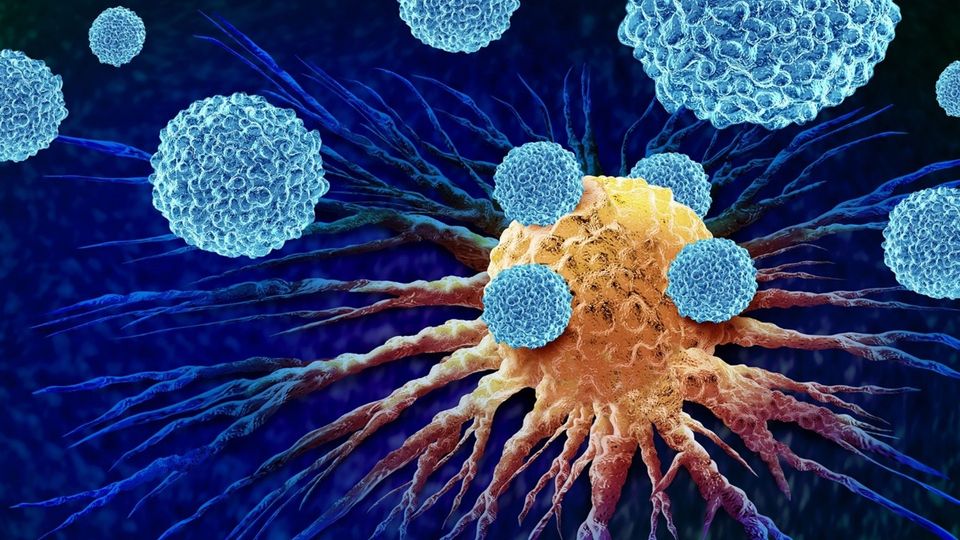
The TRANSCAN-3 project, funded by the European Union, is approaching the end of its second year with significant progress in developing personalized adoptive T cell therapies for patients with esophageal adenocarcinoma (EAC). EAC remains the most common esophageal cancer in Western populations, and despite advances in chemotherapy, radiotherapy, and surgery, only around 20% of patients experience complete tumor regression. For non-responders, new treatment strategies are urgently needed.
Achievements to date
The international consortium has made important advances across several key areas:
- Clinical leadership, tumor sequencing, and experimental immunology: Nearly all patient samples have been collected and sequenced, identifying key genetic alterations that inform tumor neoantigen prediction. Vita-Salute San Raffaele University and IRCCS San Raffaele Hospital (OSR) lead clinical activities and have performed tumor sequencing to identify expressed mutations that power downstream neoepitope prediction. PBMCs and TILs from surgical tumor biopsies of non-responder patients have been acquired and banked at the OSR Biobank. The teams’ expertise in experimental immunology is actively advancing the work on TIL expansion, functional characterization, and assay execution across the program.
- Tumor neoepitope prediction: Project partner Ardigen has refined its computational workflow ARDentify, an AI based platform designed to prioritize tumor-specific and tumor-associated antigens using patient’s genomic data, selecting peptide candidates for future validation. ARDentify builds on Ardigen’s expertise in multi-omics integration and AI-guided discovery workflows.
- Assay innovation for specific T-cell isolation: PEPperPRINT has advanced and standardized its T-Plex-Capture workflow to isolate tumor-neoantigen-specific CD8⁺ T cells. The platform uses color-coded microspheres conjugated with streptavidin to bind biotinylated, HLA-I allotypes in a peptide-tethered form loaded with individual peptides derived from neoepitope predictions. Cytokine-capture Abs are incorporated at defined ratios. Together, the T-Plex-Capture method enable high-specificity detection and isolation of antigen-specific T cells directly from TILs/PBMCs. Work is ongoing to improve and standardize advanced assays for the isolation of patient-specific T-cells, an important step toward clinical applicability.
Collaborative impact
This progress demonstrates how European collaboration can accelerate innovation. By combining expertise in oncology, immunology, and computational biology, the consortium is establishing a new framework for personalized cancer treatment. These efforts are expected to support the development of tailored therapies that may one day improve survival and quality of life for EAC patients who do not respond to standard treatments.
Next steps
In the next project phase, the consortium will focus on:
- Functional validation of candidate neoantigens and tumor-associated antigens.
- Isolation of tumor-specific CD8+ T-cells with T-Plex-Capture platform.
- Development of T cell receptor (TCR) sequencing and engineering.
- Enhancing the scalability of laboratory methods to support future clinical translation.

