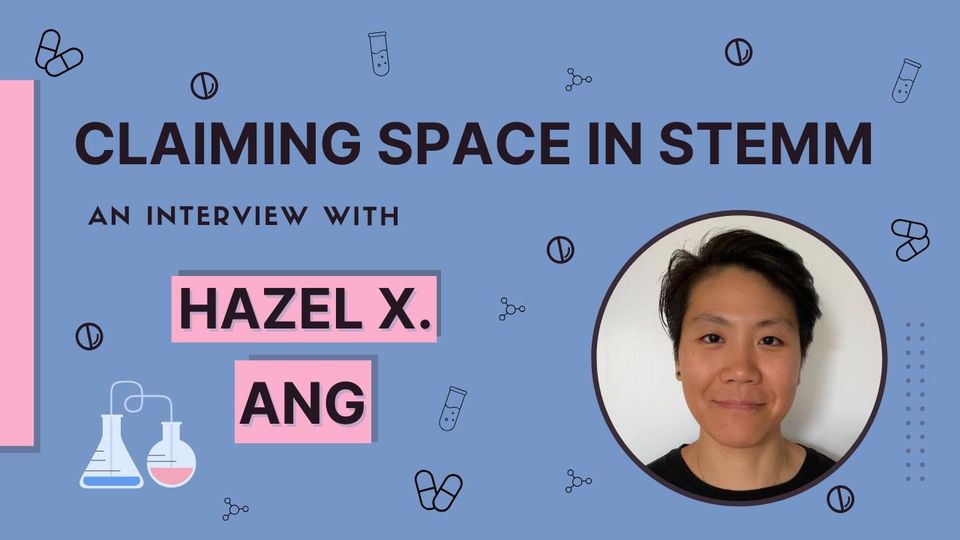
Claiming Space in STEMM: An Interview With Hazel X. Ang
What does it take to build lab spaces where everyone can thrive?
Research shows that diverse teams drive better problem-solving and creativity. Still, for LGBTQIA+ individuals, navigating a career in science, technology, engineering, mathematics and medicine (STEMM) often involves contending with systemic barriers, underrepresentation in leadership and the pressure to compartmentalize aspects of their identity. The International Day of LGBTQ+ People in STEM offers a good opportunity to reflect on the strides made toward inclusion, while acknowledging the continued work needed to build a truly welcoming research environment.
Technology Networks spoke with Dr. Hazel X. Ang, a scientist and business development professional at the Institute of Molecular and Cell Biology within the Agency for Science, Technology and Research (A*STAR), to learn more about the challenges and progress surrounding LGBTQIA+ inclusion in STEMM. Hazel shared how their experiences have shaped their perspective on visibility within scientific workplaces and they emphasized the power of authenticity and community in shaping a more equitable research environment.
What do you enjoy most about working in STEMM?
Hazel X. Ang, PhD (HXA):
The constant sense of discovery. While the unknown can be intimidating, the anticipation and adrenaline rush fuel my long hours at the bench, and this initial uncertainty gradually transforms into confidence as I master experimental techniques and develop problem-solving skills.
I deeply value STEMM's collaborative nature – great ideas frequently emerge at the intersection of disciplines, and working with diverse colleagues brings fresh perspectives that challenge my thinking. Being immersed in a community of curious, driven individuals continuously inspires my growth. There's also profound satisfaction in knowing that even incremental contributions can ultimately advance our collective knowledge and push the boundaries of what's possible, no matter how small those steps might seem in the moment.
KR:
Has your identity presented any challenges in your career? How have you overcome them?
HXA:
My experiences have varied significantly while working across the US, Sweden and Singapore, giving me firsthand insights into how national policies and societal attitudes shape workplace dynamics for LGBTQIA+ individuals. In the US (while I was there in 2016–2021) and Sweden (2021–2024), legal protections and cultural openness created environments where I could more easily bring my whole self to work.
Singapore's more conservative context has presented greater challenges, particularly as a non-binary person seeking pronoun recognition and representation. To navigate these differences, I've intentionally cultivated supportive professional networks and allies who value inclusivity, while learning to advocate for myself in ways that are both authentic and strategic. Though I'm still discovering the balance between when to push for change and when to focus on creating space for others, I firmly believe that visibility matters – my presence and authenticity can help create pathways for others in STEMM who share similar identities.
KR:
What progress have you seen in LGBTQIA+ inclusion within STEMM and what areas still need improvement?
HXA:
I’ve observed some meaningful progress in LGBTQIA+ inclusion within STEMM fields over recent years, including increased visibility at international conferences and in prominent scientific journals like Cell Press. Again, this progress has varied significantly based on geographic location and political climate.
While celebrating these advances, major challenges persist, including minimal representation in leadership positions, particularly for transgender individuals. Many researchers still feel compelled to compartmentalize their identities to navigate professional settings. Despite some improvements in formal policies, the day-to-day culture in many labs and departments hasn't evolved at the same pace.
Priorities for improvement include institutional accountability with measurable diversity goals, bias training for hiring committees and targeted mentorship programs specifically supporting LGBTQIA+ early-career scientists, and research funding directed towards understanding and addressing systemic barriers.
KR:
What small changes can labs make to improve inclusivity?
HXA:
Labs can improve inclusivity through several practical changes: normalizing pronoun sharing in introductions, email signatures, name badges and display names (e.g., on Zoom), designating gender-neutral restrooms and creating clear channels for reporting microaggressions.
Leadership should visibly support LGBTQIA+ and other underrepresented groups by highlighting diverse role models, acknowledging cultural observances and ensuring equitable speaking opportunities in meetings. Using inclusive language (like “partner” instead of gendered terms) and avoiding assumptions about family structures demonstrates respect for diverse experiences. Labs, research or academic institutions, and corporate organizations should also review their benefits policies to ensure they accommodate various family arrangements, provide flexible work options to accommodate different needs and create mentoring opportunities specifically designed to support researchers from underrepresented groups.
KR:
If you could give one piece of advice to young LGBTQIA+ researchers beginning their career, what would it be?
HXA:
Your identity is an asset, not a limitation. The unique perspectives you bring enrich science and drive innovation in ways others simply cannot. When STEMM environments feel isolating – and they often will – remember that you are your own anchor while simultaneously seeking out supportive communities and mentors who value authentic self-expression.
Most importantly, don’t be afraid to take up space and claim it with purpose. Advocate for yourself unapologetically, pursue opportunities that ignite your passion and recognize that your very presence challenges outdated norms and creates pathways for those who will follow. The scientific community thrives when diverse voices are heard, and your voice matters.