Trending News

News

News
MIT Team Recreates Complex Fungal Compound With Anticancer Potential
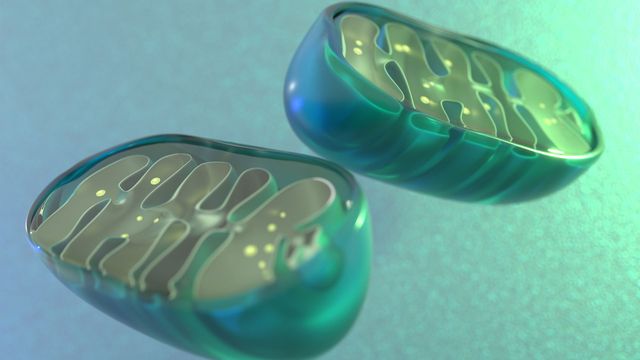
MIT researchers have synthesized verticillin A, a complex fungal compound discovered more than 50 years ago and long recognized for its anticancer potential. The compound’s fragile structure and precise stereochemistry make it difficult to produce.
News
Combination Therapy Extends Survival in Patients With Aggressive Brain Cancer
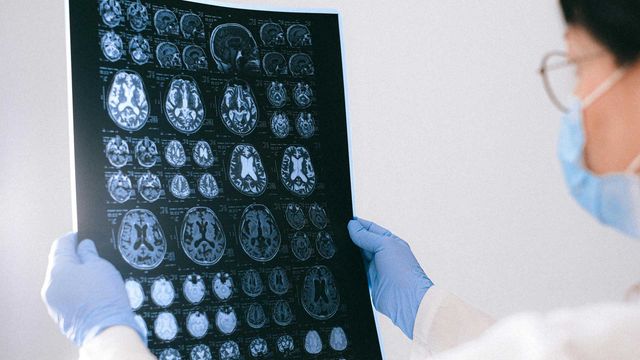
A Phase 3 trial found that combining eflornithine with lomustine significantly improved survival for patients with recurrent grade 3 IDH-mutant astrocytoma, extending life by nearly a year compared with standard therapy.
News
Light-Activated Protein Therapy Kills Cancer Cells by Increasing Alkalinity
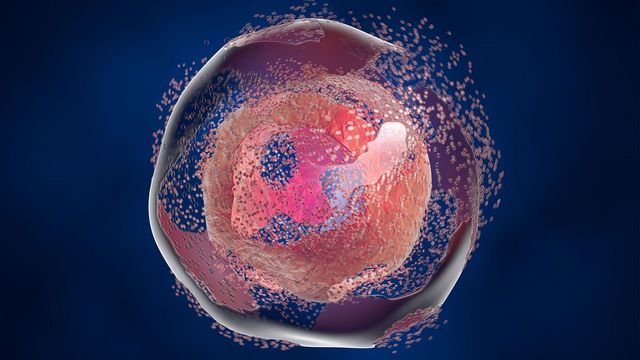
When exposed to green light, the protein AR3 increases alkalinity in cells, disrupting cellular functions and causing apoptosis.
News
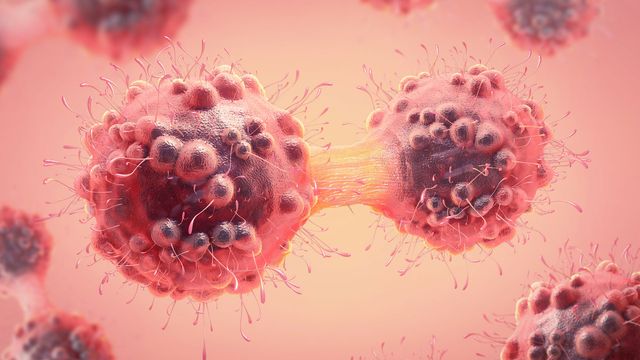
Protein Responsible for KRAS Inhibitor Resistance Identified
Researchers have identified a protein responsible for activating RAS signaling pathways in aggressive tumors, offering a complementary therapeutic avenue.
News
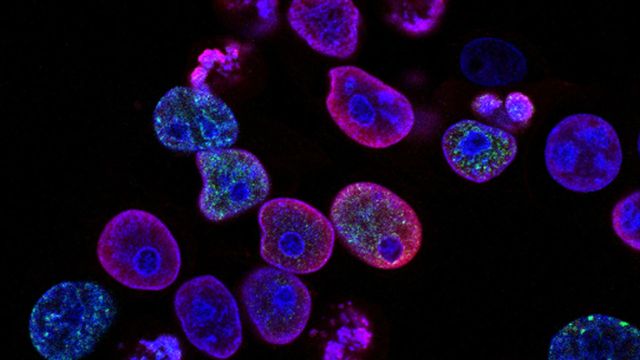
Cancer Cell Nucleus Shape Influences Treatment Success
New research finds that cancer cells with a more easily deformed nucleus are more sensitive to DNA-damaging drugs.
News
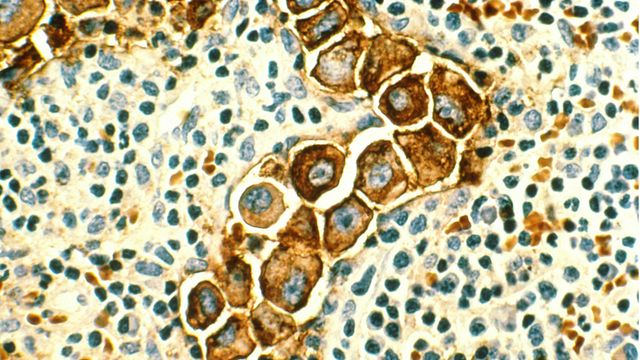
Breast Cancer Remodels Lymphatic Vessels To Spread
New research shows how breast cancer makes significant molecular changes in lymphatic vessels as it metastasizes to the lymph nodes.
News
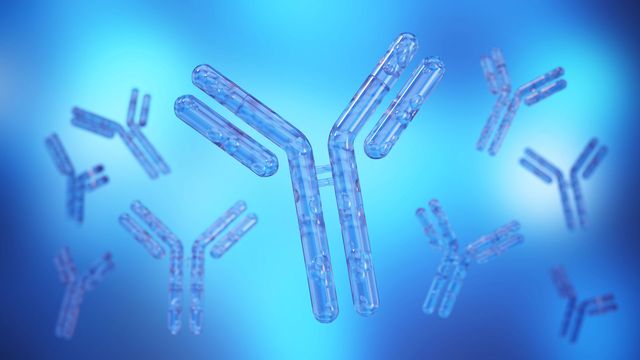
Researchers Build New Antibody To Target Cancer Cells
Researchers have developed a new antibody that could help to destroy hard-to-treat tumours more effectively, with fewer side effects than some current therapies.
News
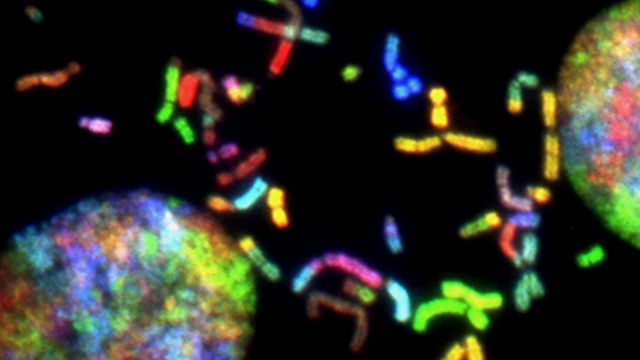
How Cancer Cells Keep Their Chromosomes Intact
New research has illustrated how cancer cells maintain their telomeres to keep dividing.
News
Study Reveals Why Cells Senesce Earlier Under High Oxygen Conditions
A new study demonstrates that replicative senescence depends upon ATM kinase, and that high oxygen generates a hyperactive form of ATM that forces cells to arrest earlier.

News
Tattoos Could Be a Risk Factor for Melanoma
A new epidemiological study from Lund University in Sweden suggests that tattoos could be a risk factor for melanoma.
Advertisement