Featured Articles


Latest Articles
Article
Deconvoluting the Proteome: Principles and Advances in Bottom-Up Proteomics
A comprehensive overview of bottom-up proteomics, detailing the critical stages from protein digestion and peptide analysis to mass spectrometry detection.
Article
Navigating the Modern Proteomics Workflow: Key Technical Considerations
Optimize the proteomics pipeline: critical sample preparation, LC-MS workflow, and advanced data processing.
Article
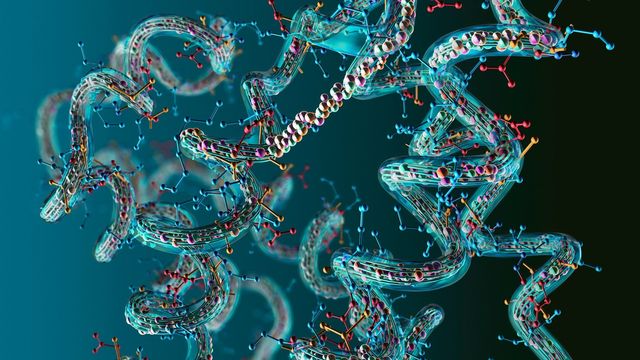
Protein Shape Changes Could Reveal Early Disease Signals
At HUPO 2025, ETH Zurich’s Prof. Paola Picotti discussed how limited proteolysis mass spectrometry tracks protein shape changes rather than abundance alone. She highlighted how metabolite–protein interaction mapping can reveal functional shifts.

Article
Top Tips for Going Paperless in the Lab
Technology Networks spoke with Dr. Samantha Pearman-Kanza to learn more about the benefits (and potential pitfalls) of going paperless in the lab and some of the research advancing digital technologies.
Article
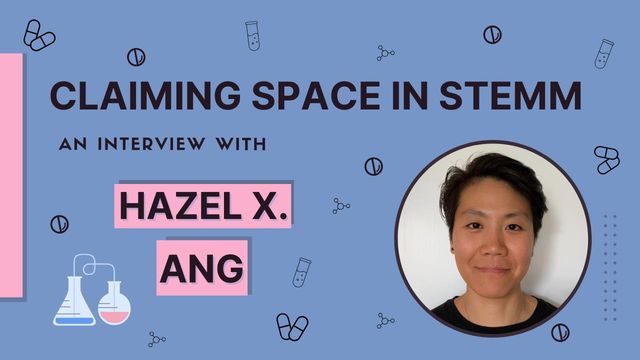
Claiming Space in STEMM: An Interview With Hazel X. Ang
Dr. Hazel X. Ang shares their experiences navigating STEMM, reflecting on progress, remaining barriers and the everyday actions that make research environments more inclusive.
Article
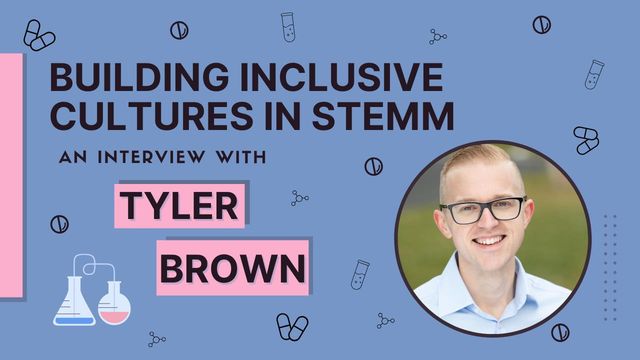
Building Inclusive Cultures in STEMM: An Interview With Dr. Tyler Brown
Dr. Tyler Brown discusses his experiences of working in STEMM and highlights how the industry can foster a more inclusive workplace culture.
Article
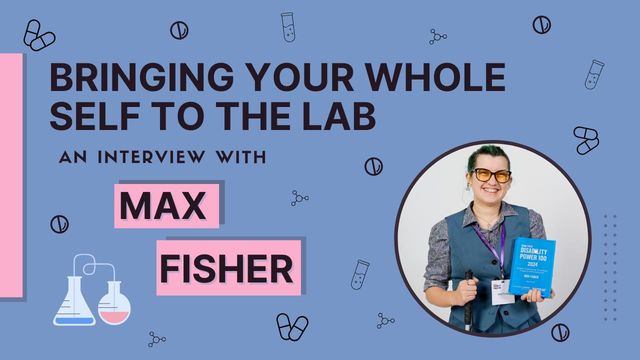
Bringing Your Whole Self to the Lab: An Interview With Max Fisher
Queer scientist Max Fisher shares insights on identity, inclusion and the simple changes that help create safer, more supportive lab spaces for LGBTQIA+ researchers.

Article
From Brain Cells to Honeybees: A Conversation With Leonard Foster at HUPO 2025
From decoding the diversity of brain cells to probing pollinators, Prof. Leonard Foster explores how proteomics can help reveal connections between human health, the environment and the wider world.
Article
How Neuroimmunology Is Redefining Brain Aging and Repair
This article explores how understanding the brain–immune ecosystem brings insights to the molecular mechanisms behind brain aging, facilitating research into immunotherapies for neurodegenerative diseases.
Advertisement