Trending News
News
News
Overlooked RNA Linked to High Cholesterol and Atherosclerosis
Researchers identified a previously hidden RNA molecule that regulates cholesterol production by activating SREBP2, a key metabolic regulator. Blocking this RNA lowered cholesterol and reduced atherosclerosis in mice.

News
Researchers Develop One-Step Fluorination for Drug-Like Molecules
Scripps Research chemists developed a one-step, stereoselective method to add fluorine to drug-like molecules using inexpensive fluoride salts, overcoming a decades-old challenge and enabling faster drug development and PET imaging.

News
Library of “Chemical Fingerprints” Can Help Detect Drug Exposure
Discover how a new library enhances drug exposure records via untargeted metabolomics data, revealing hidden medication impacts.

News
Only 6% of Drug Trials Reflect US Racial Diversity
An analysis of 341 pivotal US drug trials found that only 6% reflected the nation’s racial and ethnic makeup, with Black and Hispanic participation declining since 2021. The findings raise concerns for precision medicine and drug safety.

News
GLP-1 Drugs Linked to Lower Epilepsy Risk
A large US database study suggests GLP-1 receptor agonists may be associated with a reduced risk of developing epilepsy in people with type 2 diabetes. Compared with DPP-4 inhibitors, GLP-1 drugs were linked to a 16% lower risk.
News
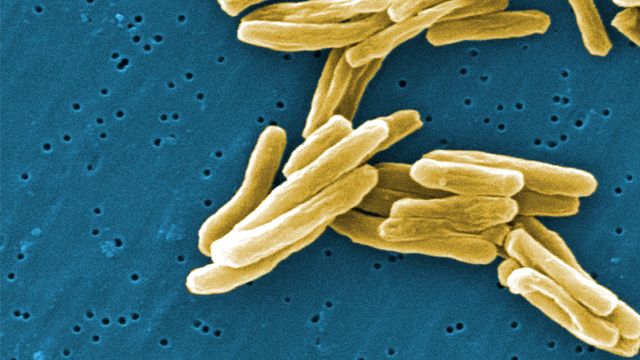
Enzyme Blocker Could Tackle Drug-Resistant Tuberculosis
By designing a squaric acid amide that binds a new site on ATP synthase, researchers created PRP020, a potential therapy for bedaquiline-resistant tuberculosis. The compound is effective, stable and safe in cell models.

News
Deep Learning Helps Point Towards Safer Cannabinoid-Based Drugs
New psychoactive substances, linked to adverse side effects, may still offer pharmaceutical promise with new research on receptor interactions that utilizes deep learning and large-scale computer simulations.
News
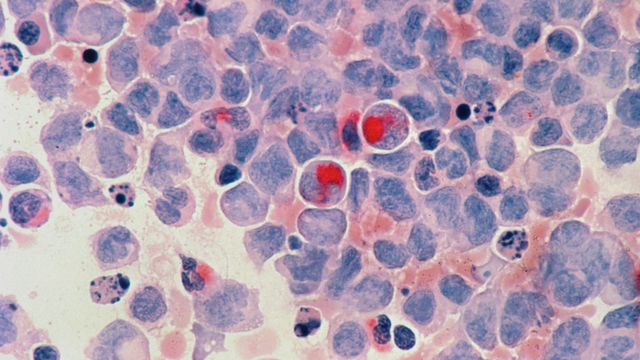
CD123-Targeted Therapy Shows High Efficacy in Two Aggressive Blood Cancers
PVEK, a CD123-targeting antibody-drug conjugate, demonstrated strong response rates in two studies. Combined with VEN/AZA, it produced high remissions in CD123-positive AML and as monotherapy, it delivered high responses in high-risk BPDCN patients.
News
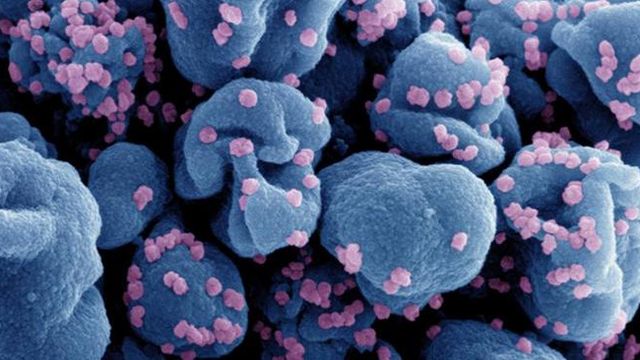
Existing Compounds Repurposed To Combat Tougher SARS-CoV-2 Variants
Researchers have identified existing compounds that block the coronavirus Mpro enzyme, including a potent molecule called 5b. These candidates show low toxicity and may lead to new treatments for emerging, drug-resistant variants.

News
Gene-Edited Immune Cell Therapy Tackles Aggressive T-Cell Leukemia
A world-first base-edited CAR-T therapy has helped previously untreatable for T-cell acute lymphoblastic leukemia patients achieve remission, with 82% responding and many now disease-free.
Advertisement